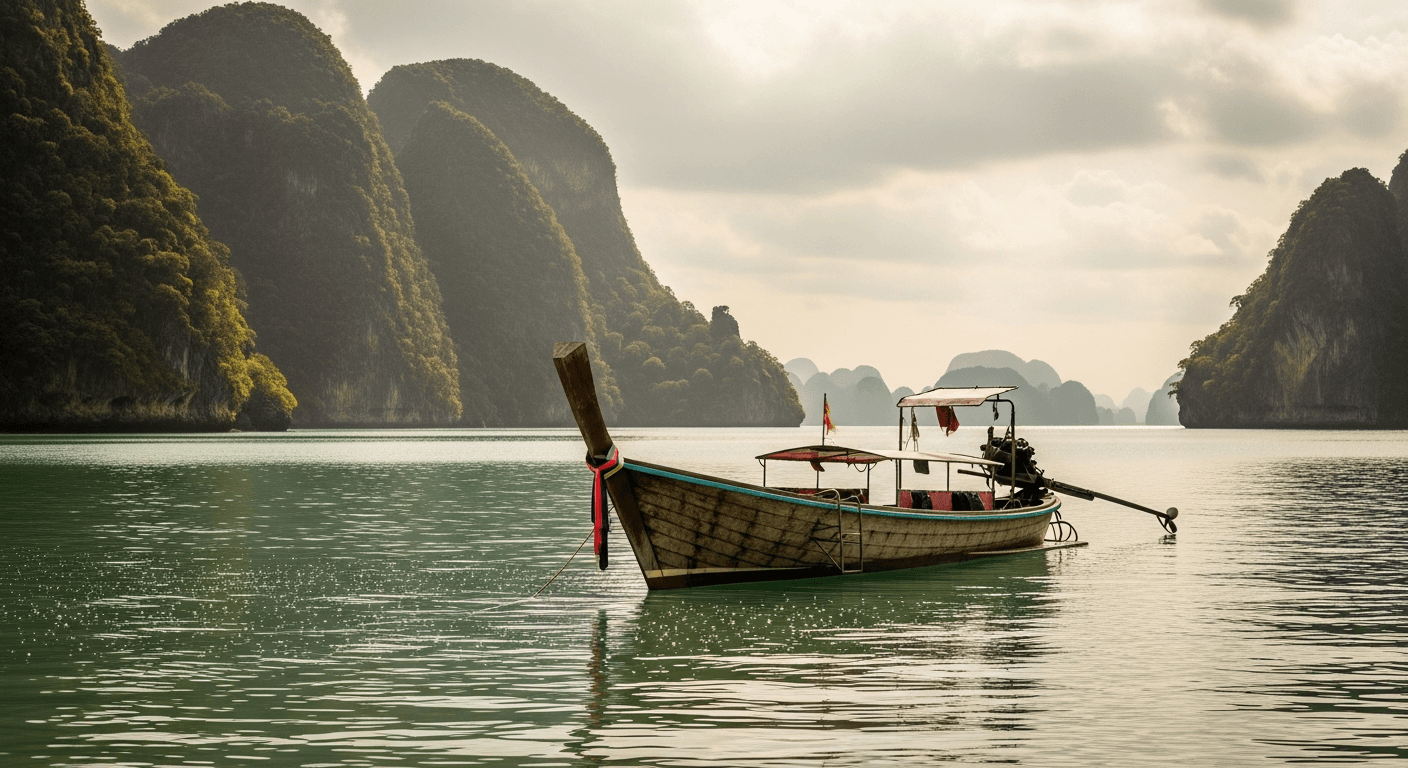
Ang Thong Marine Park is an archipelago of 42 limestone islands about 30 kilometers west of Koh Samui: roughly an hour by speedboat, or up to two hours on a larger, slower boat. The Park operates as a protected national marine zone. Groups of 50 to 150 participants can charter vessels for a full-day program that combines guided activity with scheduled downtime on quiet beaches.
Planners use the Ang Thong day as an anchor activity in multi-day programs when the brief calls for a shared outdoor experience that delivers visuals, moderate physical challenge, and clear separation from resort environments. Apart from the Park headquarters on Koh Wua Talap and a small village on Koh Phaluai, the islands have almost no commercial infrastructure. The Park authority limits boat activity in sensitive zones, and the operator handles entry fees and passenger lists.
The day runs long. Most operators collect guests from their hotels around 08:00 and leave the pier around 09:00, and the return crossing reaches Samui in the late afternoon. Plan on eight to nine hours from hotel door to hotel door, and more on a slower boat.
Standard Day Program Structure
The typical Ang Thong itinerary breaks into three activity blocks with built-in rotation points. First stop is a snorkel site on the eastern edge of the Park, usually near Koh Wao or Koh Tai Phlao. Water depth is usually 4 to 6 meters. Visibility ranges from 8 meters (good conditions) to 3 meters (post-rain or high plankton). Groups spend 45 to 60 minutes in the water. Guides brief surface protocols and buddy systems on deck before entry. Life jackets are mandatory under Park rules.
Second block is sea kayaking along the limestone cliffs and caves of the nearby islands, usually about 45 minutes in two-person kayaks, followed by a stop at Koh Mae Ko for the short, steep climb to the viewpoint over Talay Nai, the Emerald Lake. The lake is saltwater, fed through channels in the limestone, and swimming in it is not allowed, so it is a viewing stop. Sea temperature runs 28 to 30°C year-round.
Third block is lunch and beach time, often on Koh Phaluai or at Koh Wua Talap, where the Park headquarters and its viewpoint trail are. The viewpoint is a 500-meter climb with rope sections, 25 to 45 minutes up, so offer it to the fitter part of the group only. Groups have about 90 minutes for swimming, photos, or sitting in the shade. Facilities are basic, so confirm toilets and shade with the operator for larger groups.
Activity sequence can flip depending on tide windows and Park traffic, but the three-block format holds. Total activity time is about four hours; the rest of the day is transit and transition.
Vessel Options and Capacity Trade-Offs
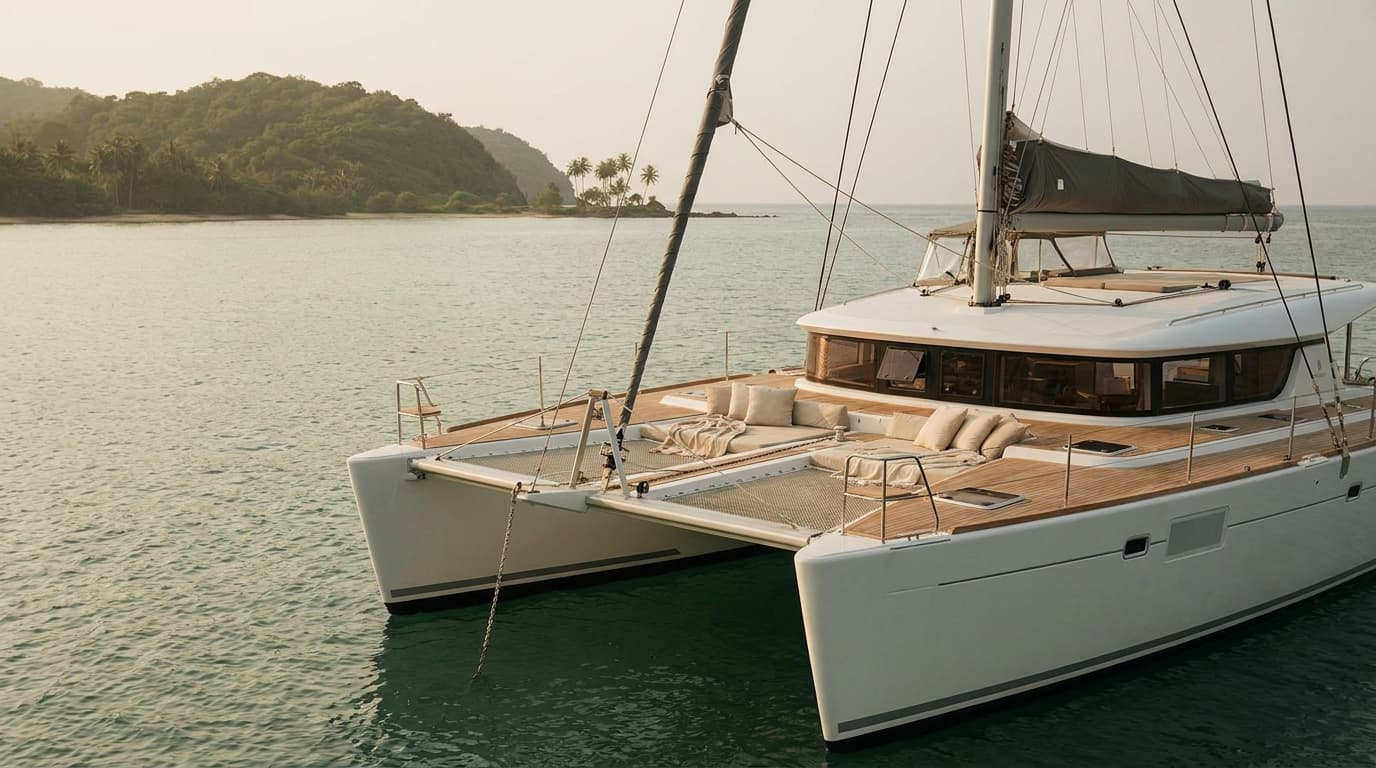
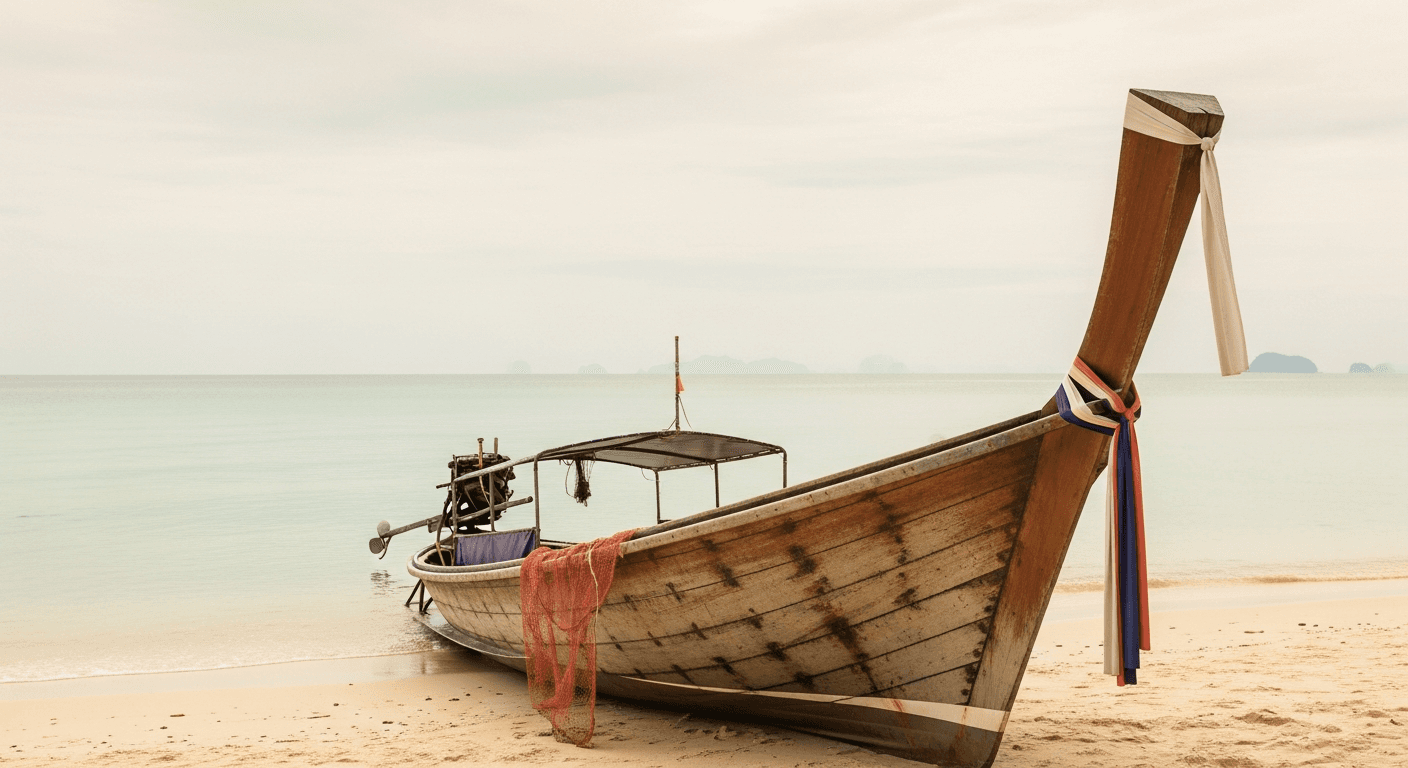
Two vessel categories handle groups at this scale. Traditional wooden boats (converted fishing platforms, often called "junks" in charter language) carry 80 to 120 passengers on open deck layouts. Modern catamarans carry 50 to 100 passengers with cabin seating and upper sun decks. The choice comes down to cost, aesthetic preference, and motion tolerance.
| Factor | Traditional Junk | Modern Catamaran |
|---|---|---|
| Capacity per vessel | 80 to 120 pax | 50 to 100 pax |
| Deck layout | Single open level, bench seating | Multi-level, cushioned seating inside and topside |
| Motion in chop | Rolls noticeably in 1m+ swell | Stable in moderate seas, softer ride |
| Speed | 12 to 14 knots | 16 to 20 knots |
| Aesthetic | High visual character, warm wood, traditional lines | Clean modern lines, Instagram-friendly |
| Cost | 30 to 40% lower per head | Premium pricing, smaller group minimum |
| Shade cover | Canvas canopy over 60% of deck | Full cabin plus shade nets on upper deck |
For groups above 100, you either charter two catamarans or one large junk. Chartering two vessels splits the group during transit but allows parallel activity rotation in the Park (one boat at snorkel, one at kayak). Single-vessel programs keep the group unified but extend dwell time at each stop while subgroups rotate through limited equipment.
Weather is the determining constraint. From October to December the northeast monsoon brings rough seas to this side of the Gulf, and the Park closes every year from 1 November to 15 December. From February to September the crossing is usually calmer, although the southwest monsoon can add afternoon wind and swell from June to September. Catamarans handle a rough crossing better, and traditional boats become uncomfortable in it. If your program falls in October or late December, budget for catamaran pricing and plan a land-based day as the backup.
Park Permits and Regulatory Requirements
Ang Thong is a national park under the Department of National Parks, Wildlife and Plant Conservation. Entry requires per-person fees paid in advance via the tour operator's permit allocation. Foreign nationals pay 300 baht per person. The fee includes Park entry and guided access to restricted zones like the lagoon.
The Park is busiest in late December, January and the Chinese New Year weeks, when several large groups can want the same day and the best boats book out early. Book the date and the vessels at contract stage, not two weeks out.
Alcohol is banned in Thailand's national parks. Most incentive programs serve beer and wine on the return crossing, after the boat leaves the Park. Mention this in the pre-trip participant notes so nobody expects drinks at lunch.
The Park closes every year from 1 November to 15 December, for the northeast monsoon and to let the reefs and islands recover. The Department of National Parks confirms the dates each year, so check them when scoping a program in late October or December.
Food and Beverage Layer
Lunch is served on the beach stop. Buffet format is standard: grilled protein (chicken satay, white fish, prawns), fried rice, noodle dish, fruit platter, bottled water. Tour operators prepare food at mainland commissaries and transport in coolers. Quality varies by operator. For premium groups, choose an operator or caterer that stages hot boxes on the boat and finishes grills on portable burners at the beach. The difference shows in temperature and presentation.
Dietary accommodations require advance notice. Vegetarian and halal options are straightforward. Vegan, gluten-free, and allergy menus need 72-hour lead time and ingredient confirmation. Submit final meal counts and restrictions one week before departure.
Morning snacks (pastries, coffee, fruit) are typically served on the outbound crossing. Afternoon snacks (chips, cookies, soft drinks) on the return. Beer and wine service begins after Park exit. Confirm the beverage inclusion level when comparing operator quotes, as some include two drinks per person, others run a cash bar, and premium programs offer open service.
On most crossings a few participants feel seasick. The morning outbound leg is usually smoother than the afternoon return, because wind and chop build through the day. Stock seasickness tablets on the boat and mention them in the morning brief. Participants prone to motion sickness should dose 30 minutes before departure.
Why This Day Works for Incentive Groups
The Ang Thong program delivers three things planners prioritize for midsize incentive groups: a logistically contained experience (everyone moves together, clear start and end, no stragglers), a high visual payoff (the islands photograph well, the lagoon is distinct, beaches are clean), and a balanced activity intensity (snorkel and kayak engage the active participants, beach time accommodates the passive ones).
The day also creates natural conversation windows. Transit time on deck is unstructured social time. Lunch on an empty island pulls the group out of the resort bubble. The return crossing is when groups debrief the day, often with drinks in hand as the sun drops. These unscripted social intervals are harder to engineer in land-based programs.
Costs for a fully programmed Ang Thong day run 4,500 to 7,500 baht per person depending on vessel type, F&B tier, and group size. That rate includes boat charter, crew, fuel, Park fees, guides, snorkel and kayak equipment, meals, and insurance. Add 800 to 1,200 baht per person for premium catering or specialty beverage service.
Halia responds to program briefs and capacity requests within 48 hours. If your incentive scope includes an Ang Thong component, send group size, preferred dates, and dietary notes to /contact and we will return vessel options and a cost breakdown.