Featured·Operations
How to brief a DMC for a Thai program
The eight inputs that move a DMC brief from 'we need to follow up' to a tailored proposal in 48 hours. And the questions that look thoughtful but actually waste both sides' time.
·7 min read


Journal
Written for the people planning programs, not the people attending them. Practical reads on Koh Samui’s hotels, vessels, supplier ecosystem, and the operational realities of running incentive and retreat programs here.
Recent writing
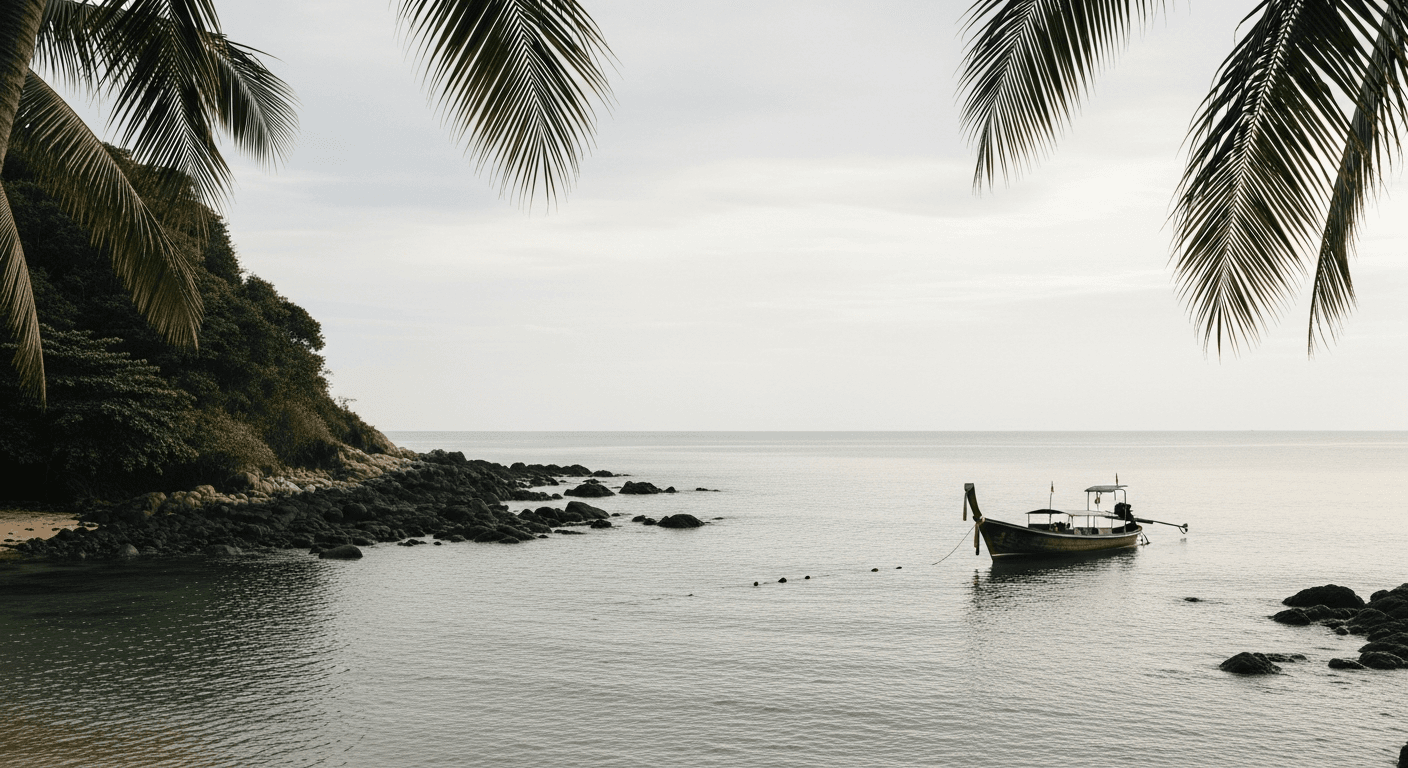
Koh Phangan and Koh Samui are 30 minutes apart by boat and an entirely different program profile. Here is the honest read on when each one is the right answer.
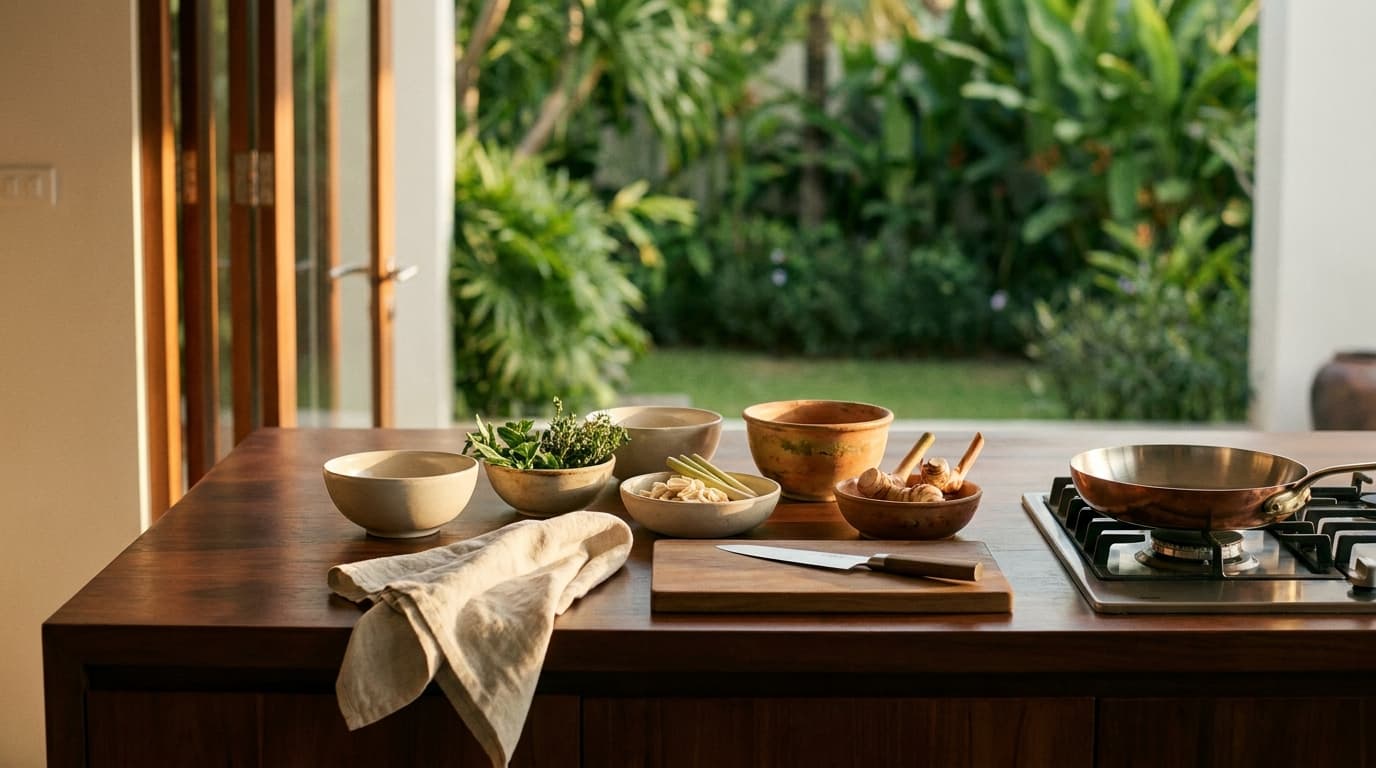
Why most executive retreats over-deliver on kitchen and under-deliver on chef talent. What good chef sourcing actually looks like in Thailand.
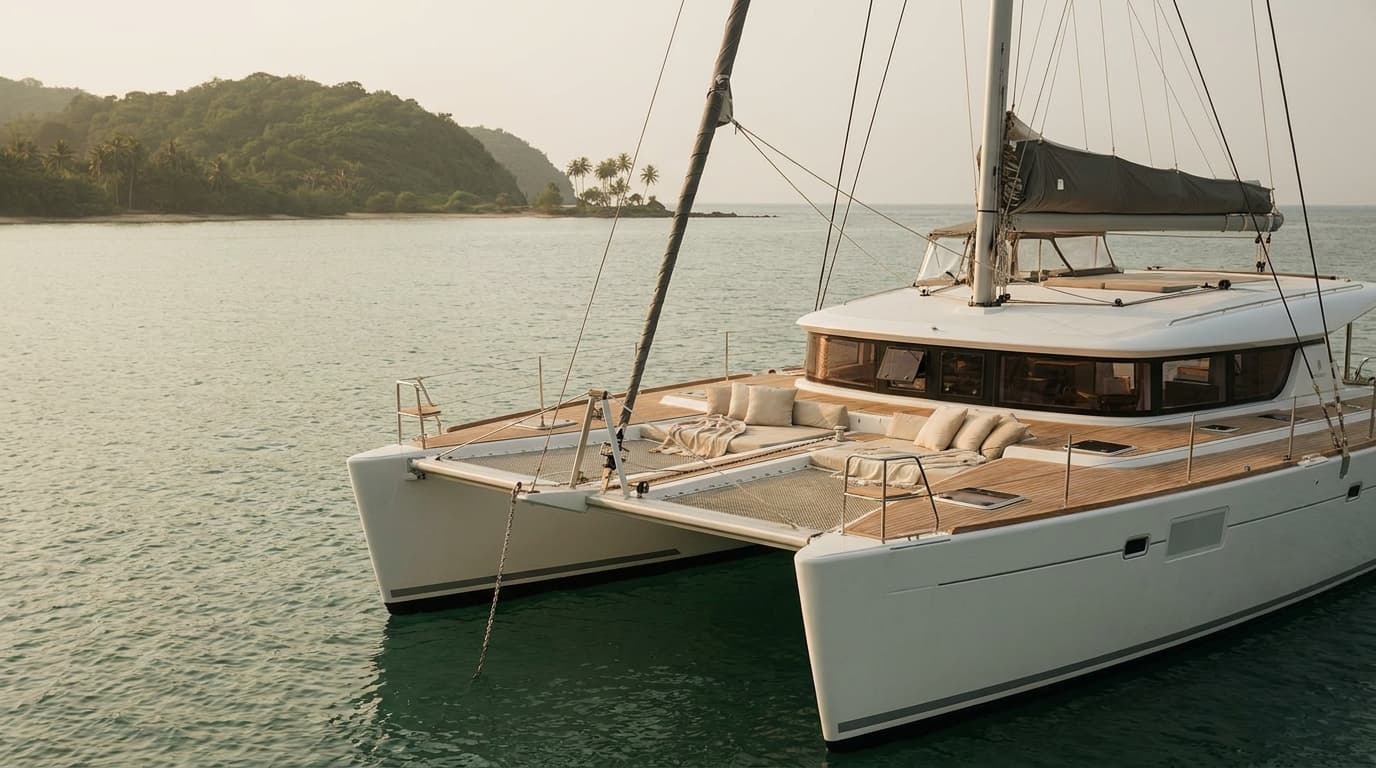
What an honest catamaran day looks like for a 50-pax incentive group. Operators we trust, the capacity ceilings nobody mentions, and the weather buffer you need to build into the contract.
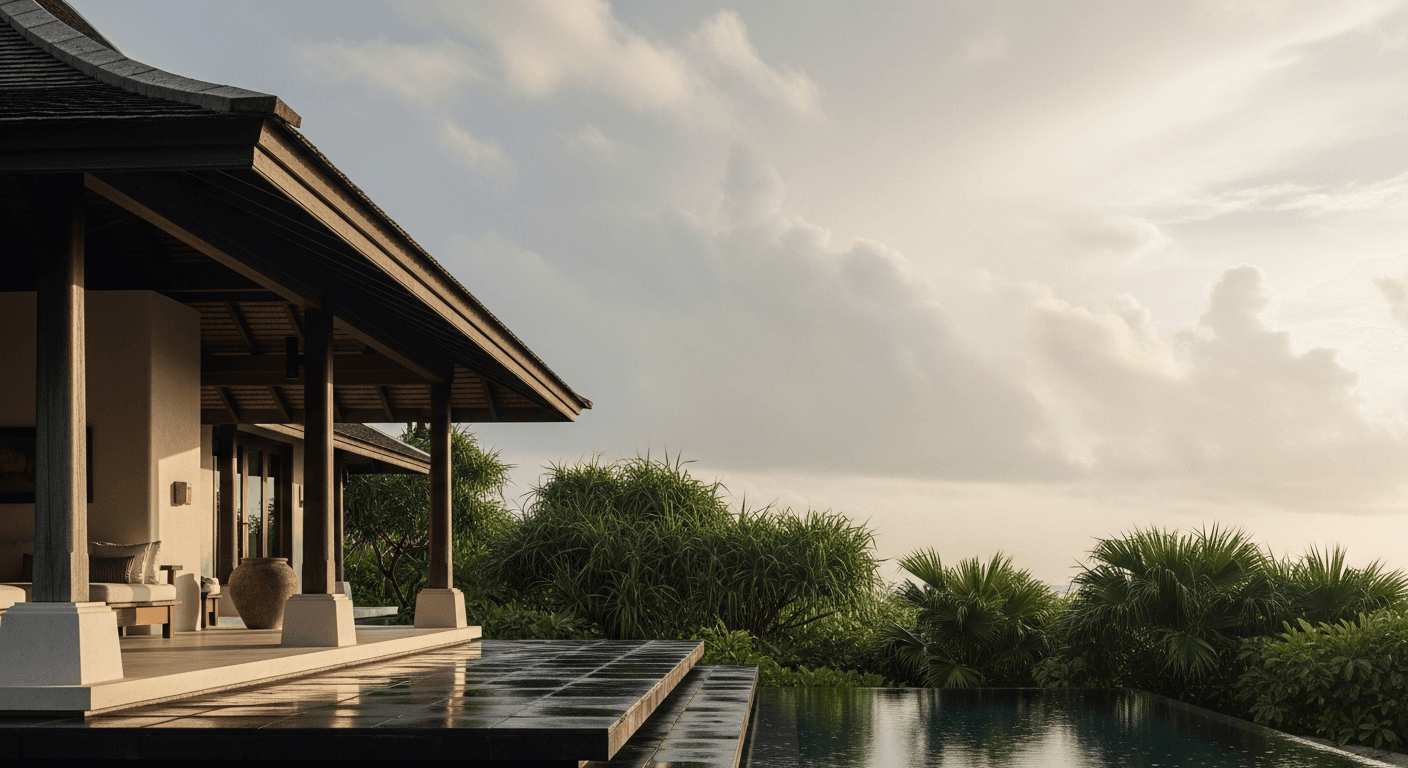
Weather doesn't ruin a program. Bad program design ruins a program. Here is how serious operators build weather contingency into the contract.
Thai cooking workshops are everywhere. Most are mediocre. Here is what real cultural programming looks like inside a corporate trip — and what to avoid.

Bali is the default tech-offsite answer in Asia. Samui is the better answer more often than the buying committee realizes. Here is the honest comparison.
The private-villa-vs-hotel-block decision frames every retreat budget. Here is the honest trade-off, with the constraints that usually decide it for us.
We turn down a meaningful share of inbound briefs. Here is the honest read on which programs Samui cannot serve, and which destinations to consider instead.
Samui's airlift is the constraint most agencies discover too late. Here is what actually flies into Samui, the realistic transit options, and the buffer days that protect a program.
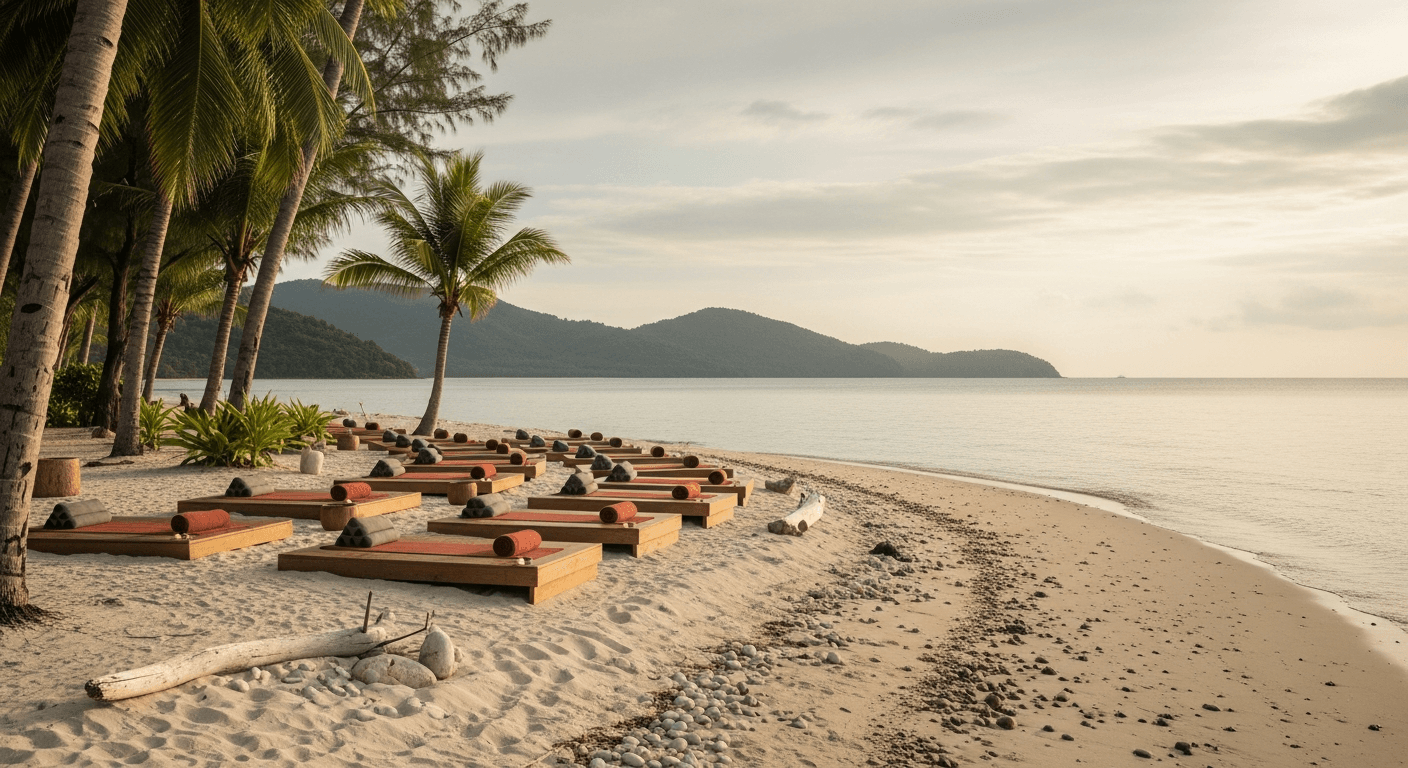
Wellness used to mean a 60-minute massage voucher in the welcome pack. The bar has moved. Here is what serious wellness programming looks like inside an incentive program.

Ang Thong is the showpiece day on most Samui incentive programs. Here is what actually happens out there, and the operational decisions that make or break it.
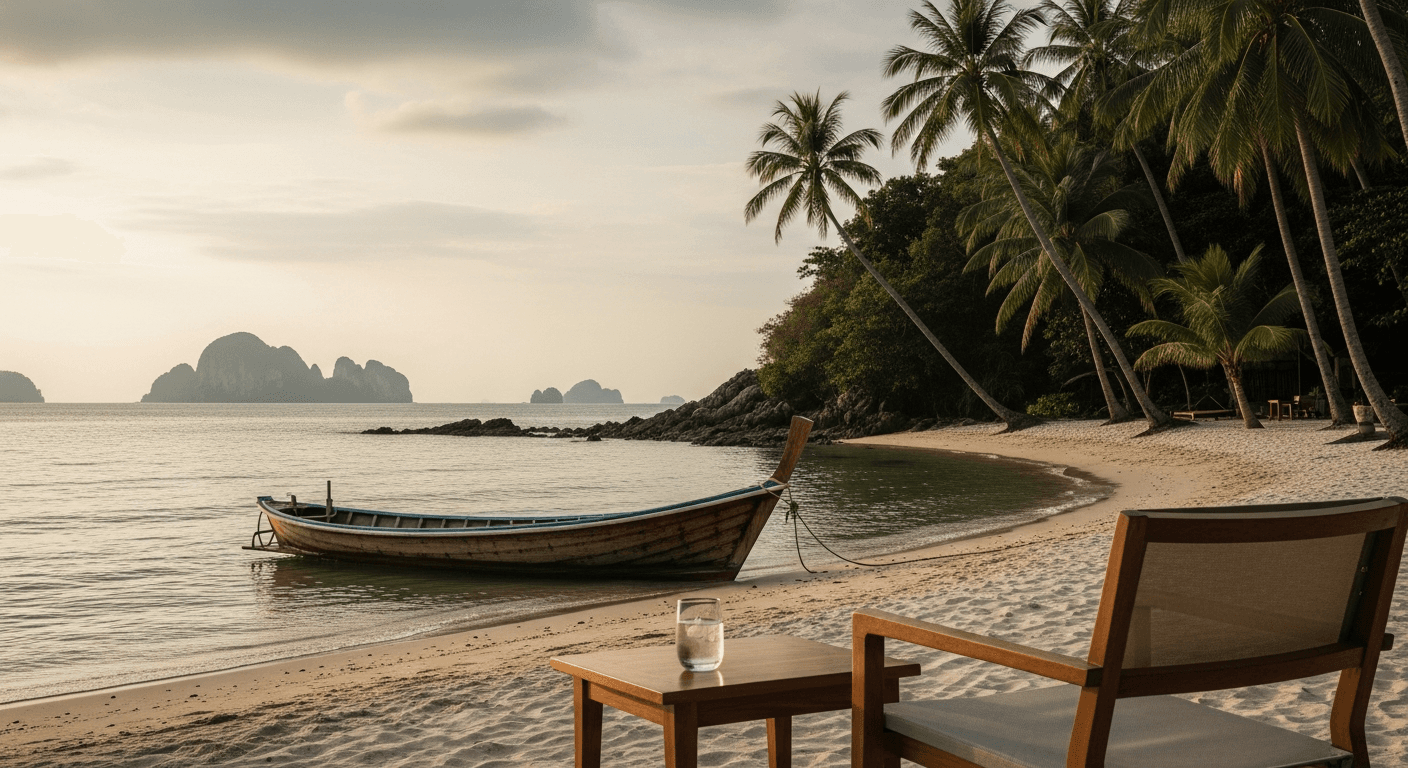
The cancellation clause is where most program contracts hide their risk. What Thai hospitality suppliers actually offer, and what to negotiate.
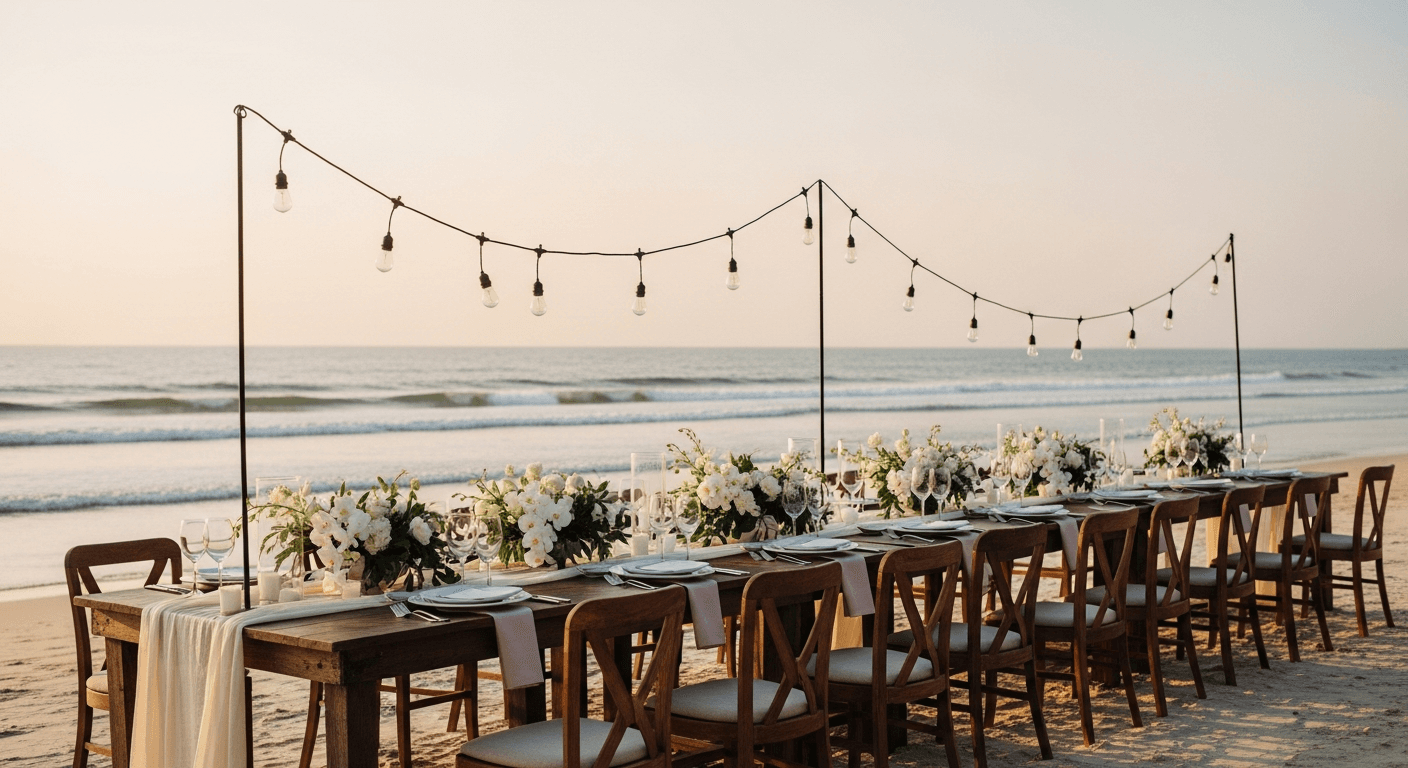
What separates a memorable gala dinner from a logistics scramble on Koh Samui. The five things that go wrong, and the production calls we make to prevent them.
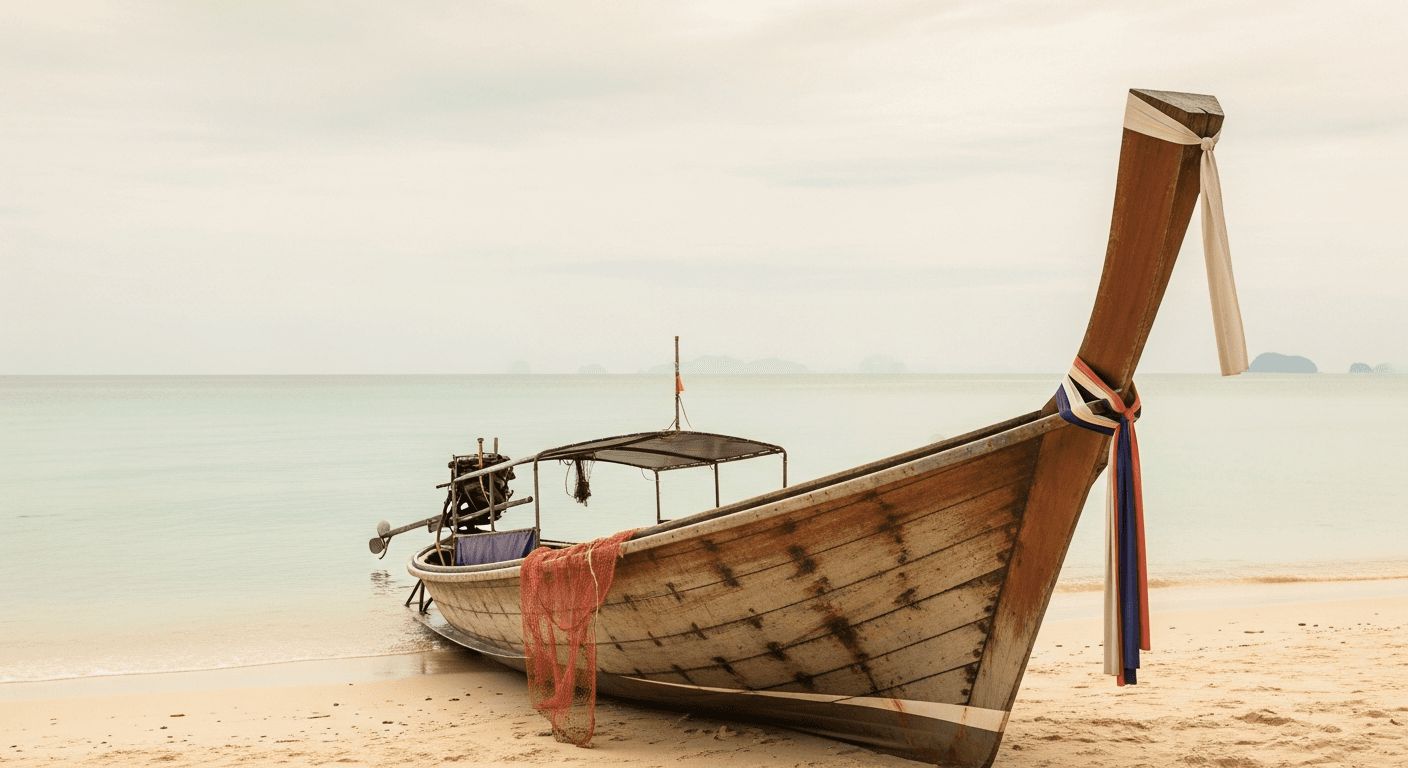
The mechanics of moving 100 people across a small Thai island without it feeling like a school trip. Vehicle choices, the airport choke point, and the contingency vendor list.

Thai corporate retreat budgets typically land USD 1,500 to 4,500 per pax all-in for premium-tier programs. The variance is driven by specific choices that buyers can flex on. Here is the honest cost framework.
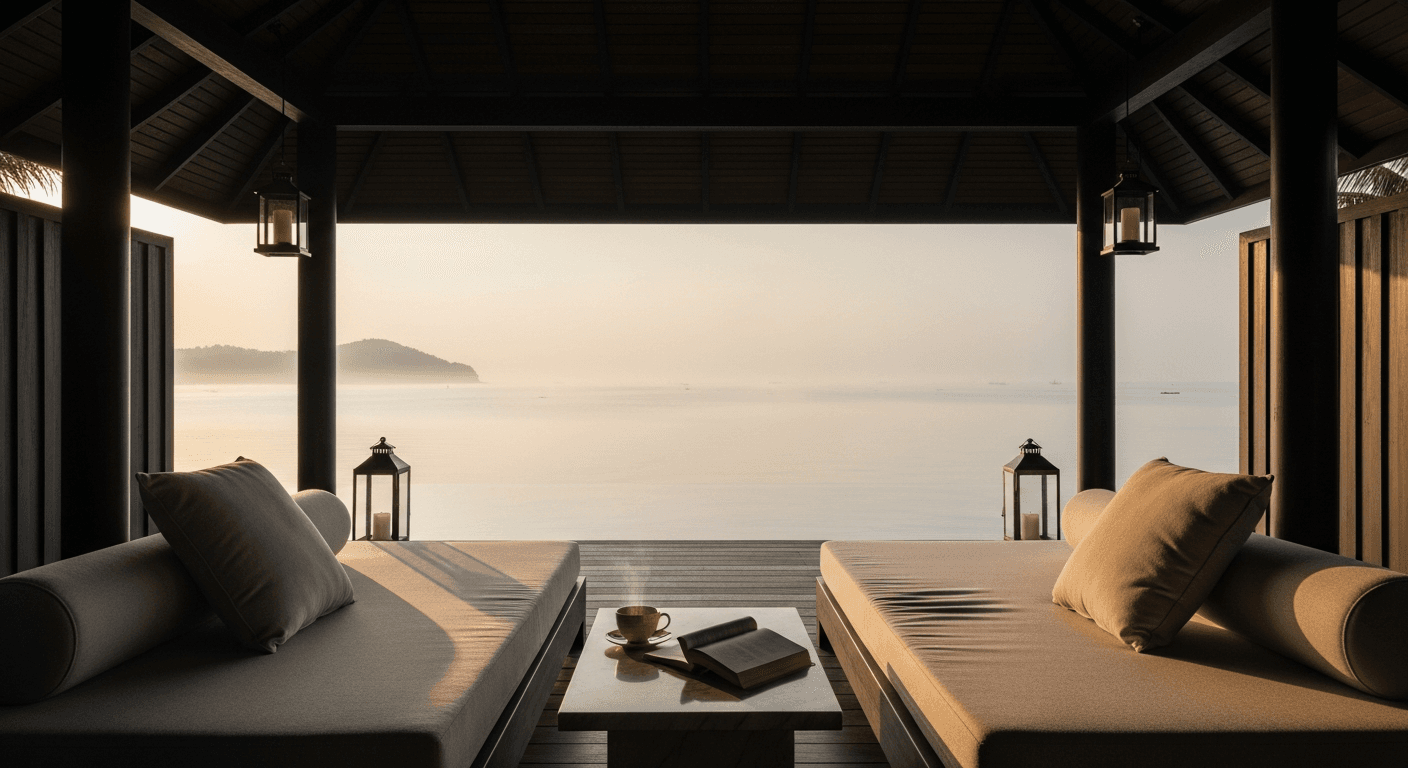
Fam trips are how travel-trade buyers get to know a destination first-hand. Done right, they compress 18 months of trust-building into 3 days. Here is how they actually work and what to expect on either side of the table.
MICE is the umbrella acronym for the corporate-group-travel industry. The four categories — meetings, incentives, conferences, events — operate very differently. Here is what each actually means and how to scope the right one.
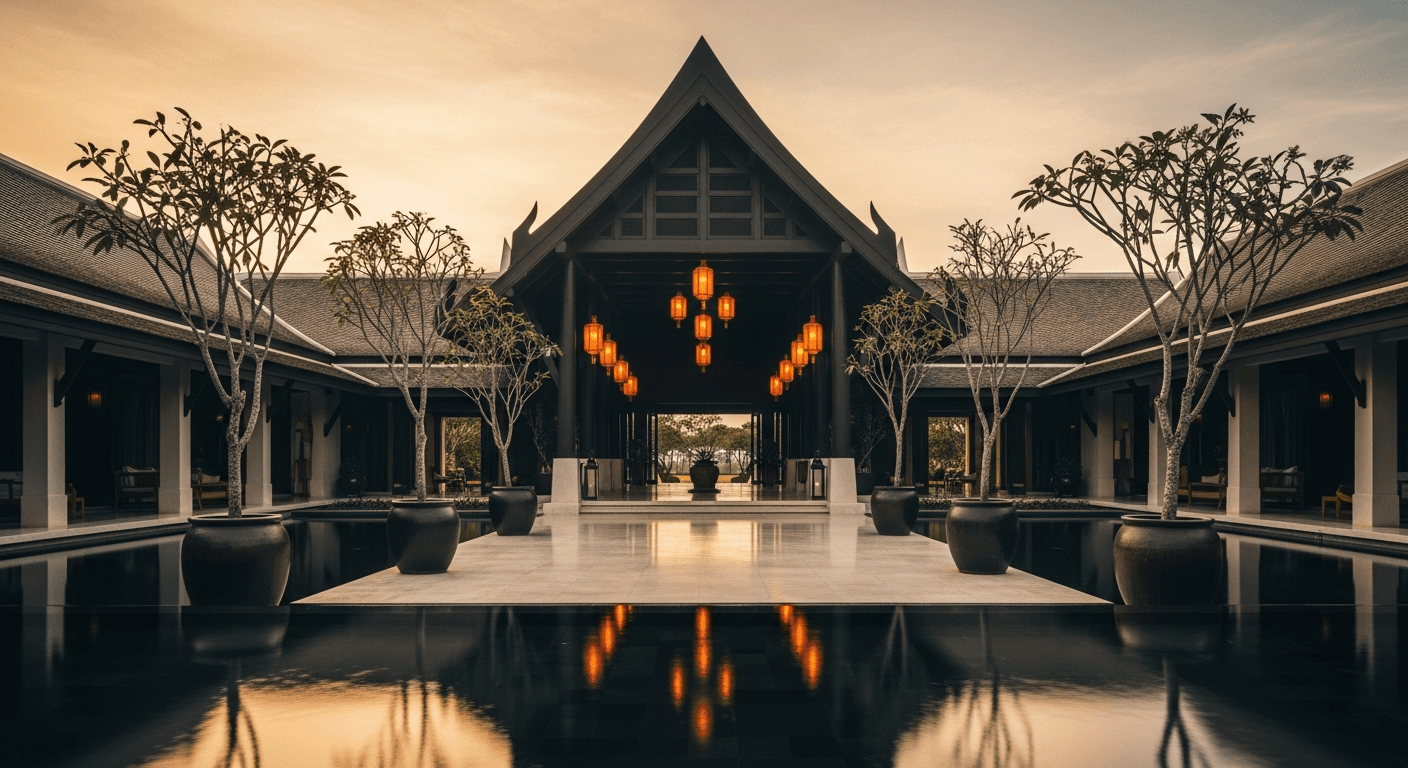
Incentive travel is the corporate-reward category that earns its budget by changing what next year's sales team is willing to fight for. Here is how it actually works, what it costs, and how to evaluate the right operator.
A destination management company is the local execution partner for incentive programs, executive retreats, and corporate events. Here is what that actually means, and how to choose one.

Bali is the loudest brand. Phuket has the deepest infrastructure. Samui has the quietest premium register. For executive retreats, the right answer depends on which of those three things matters most for the specific group. Here is the framework.

Bangkok is the default Thai venue for corporate galas because of production capability and F&B depth. Samui is the right answer when the venue itself is part of the story. Here is the comparison.
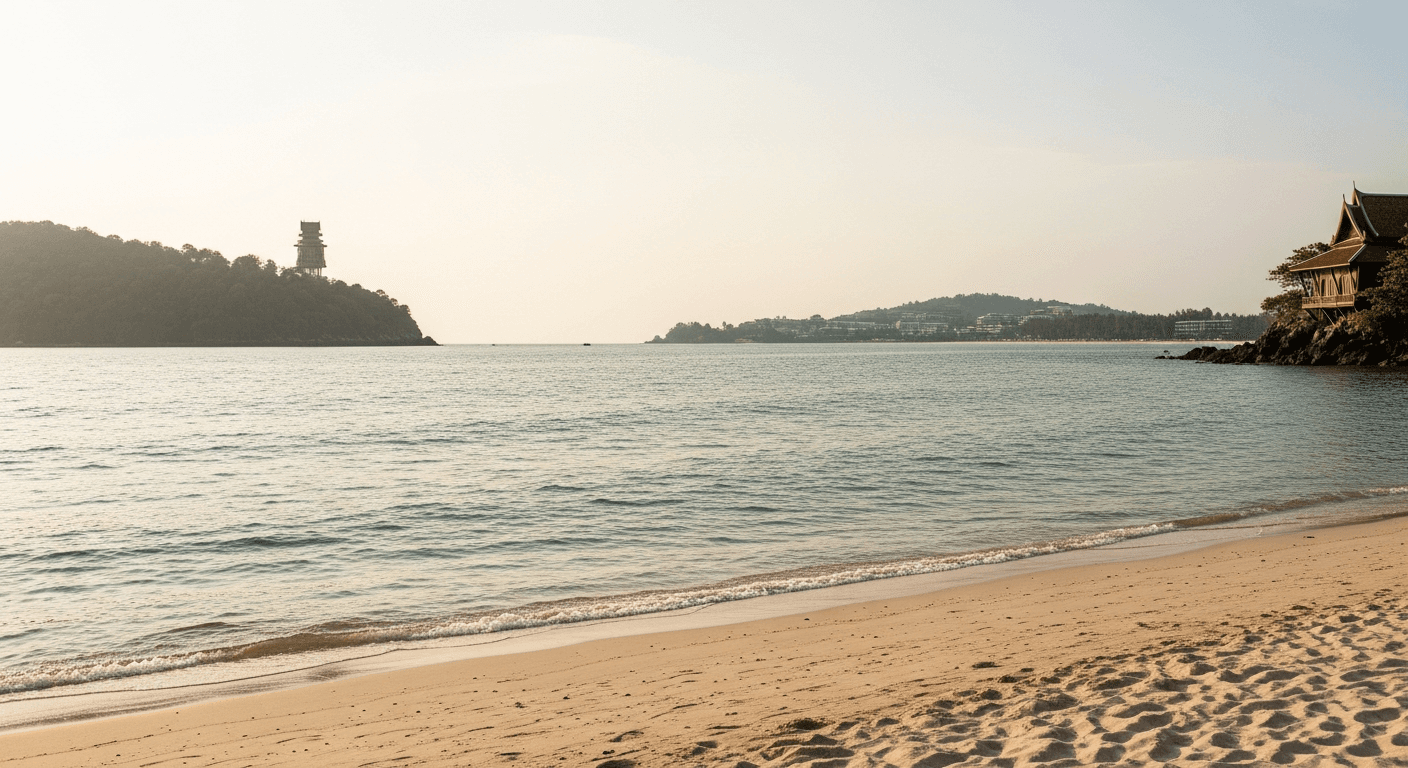
Phuket is the default Thai incentive answer. Samui is more often the better answer than buying committees realise. Here is the comparison framework, written by the DMC that operates on Samui and works with the Phuket operators.

Sustainability is becoming a real procurement filter for European agencies and corporate buyers. The good news: Thailand's premium hotel sector is genuinely ahead on this. The bad news: most DMC quotes don't surface it. Here is what actually matters.
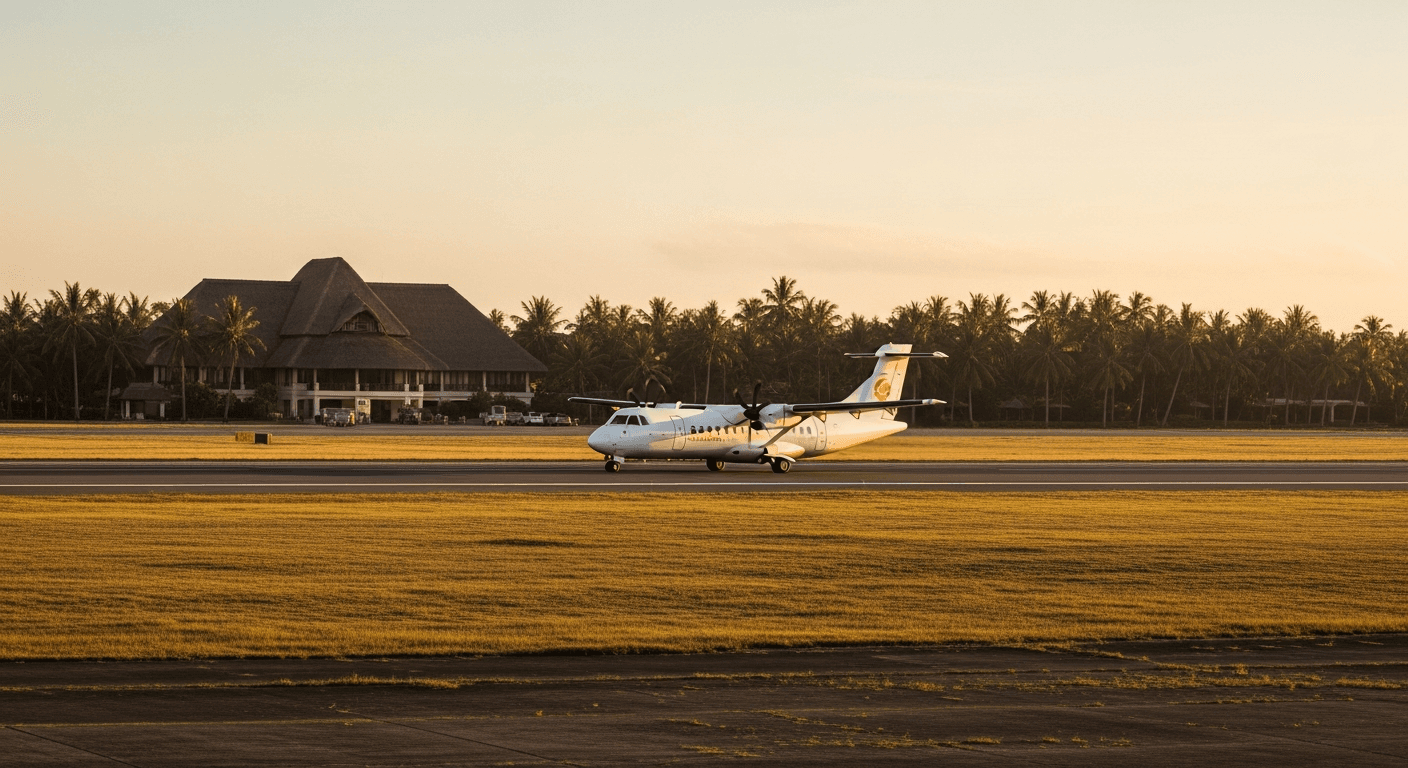
Routing through Bangkok adds a day and a different program rhythm. Flying direct to Samui is faster but costs more. The decision is rarely just about flight cost. Here is the actual decision framework.
Most Thailand DMC quotes look comparable on the headline. Then the final invoice arrives. Here is the checklist for actually comparing proposals like-for-like.

Samui has a different season profile than the rest of Thailand. Here is what that means for program timing, weather, and rates.
An honest read on the seven five-star properties we work with on Koh Samui: capacity, layout, what each handles best, and where each one falls short.
Phuket and Bangkok dominate Thailand's conference market. Samui is something different, and for small leadership groups, that is exactly the point.
New writing posted monthly. Get in touch to be notified, or subscribe via RSS.