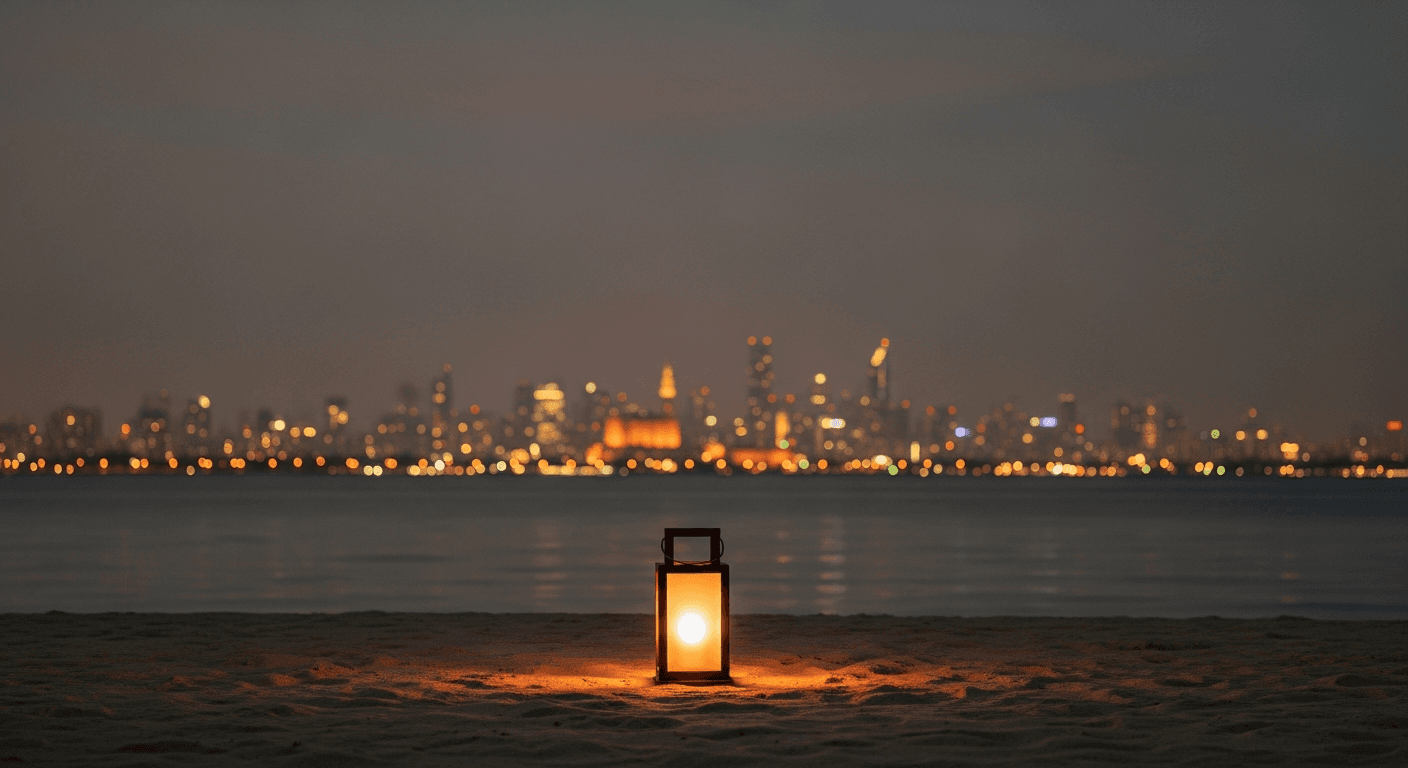
Bangkok is the default answer for a Thai corporate gala. Production infrastructure is mature, AV vendor depth is real, F&B options run from intimate restaurant takeovers to full ballroom setups for 1000+ pax, and the city is where most regional corporate events have always happened.
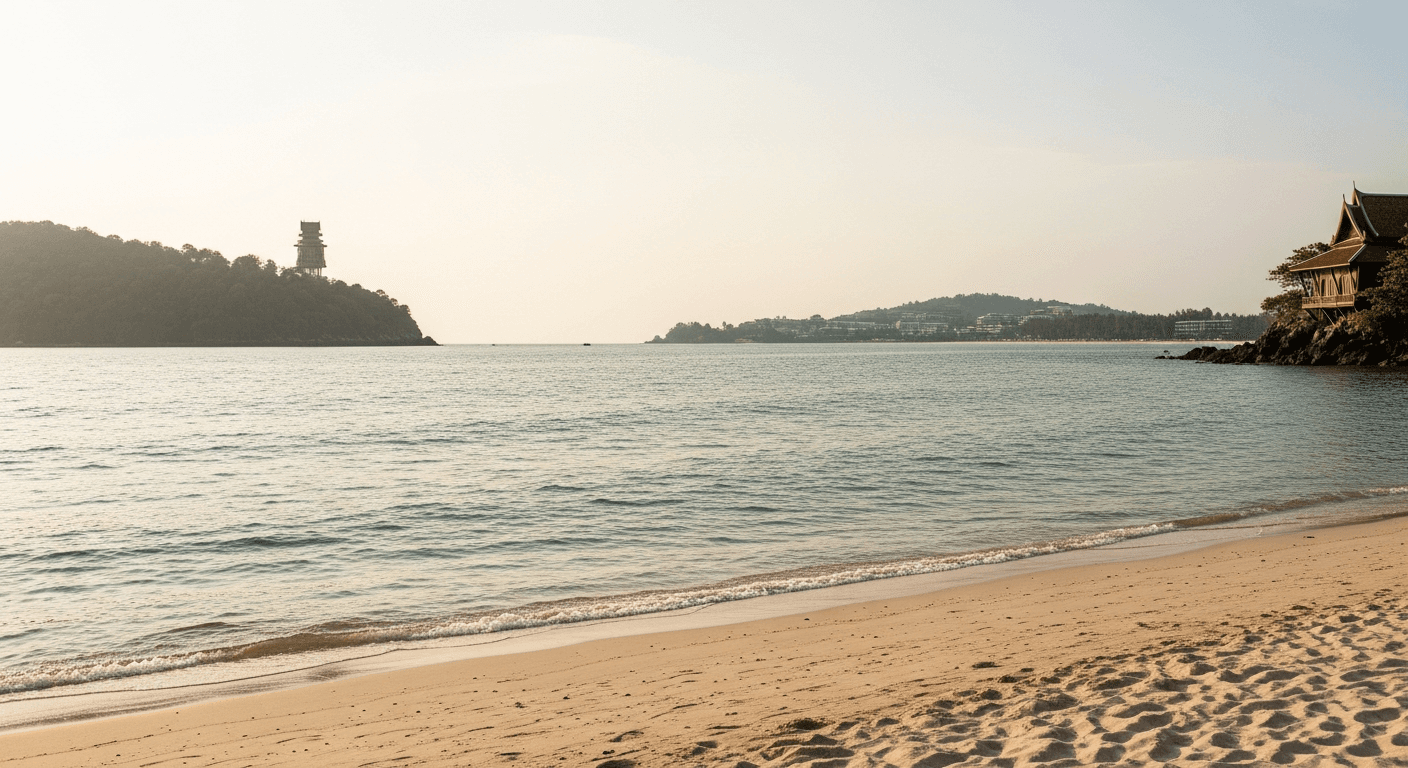
Samui is the right answer for a different kind of corporate gala. One where the venue itself does meaningful work, where the participant group is small enough that the urban-event format would feel oversized, or where the gala is part of a multi-day destination program rather than a standalone night.
This is the comparison framework Halia uses when an agency brief specifies Thailand but the venue decision is open between the two.
Where Bangkok wins
Three structural advantages.
1. Production capability depth
Bangkok has the deepest event production market in Southeast Asia outside of Singapore. Full-stack AV providers, lighting designers, stage builders, LED wall vendors, custom set fabricators, and entertainment agencies all operate at international standard. For a gala with serious production complexity (multi-LED-wall stage, custom architectural elements, complex rigging), Bangkok is the only practical Thai answer.
The list of what is operationally easier in Bangkok includes: large-format video walls, fly-in entertainment from Asian capitals, live broadcast for hybrid events, multi-camera production, custom-fabricated centrepieces and set elements, simultaneous interpretation booths, and full-spec audio for orchestra performances. Each of these requires lead times measured in weeks, not days.
2. F&B depth
Bangkok has somewhere north of 5,000 venue-eligible restaurants and ballroom spaces. Hotel ballrooms (Mandarin Oriental, Peninsula, Shangri-La, Park Hyatt, Grande Centre Point), restaurant takeovers (signature restaurants by international chefs, rooftop venues with city panoramas), private mansions and historical buildings as event spaces, and a deep specialty venue ecosystem (warehouse spaces for unconventional formats, gallery spaces for art-led events, courtyard venues for outdoor evening receptions).
The variety alone is meaningful. For programs that need a venue with a specific personality (industrial-chic, traditional Thai courtyard, Michelin-starred restaurant takeover, rooftop sky-bar), Bangkok delivers. Samui's options are quieter and more uniform.
3. Cost efficiency at scale
Bangkok's mature market means more competition on every line item. For a comparable 200-pax gala (venue, F&B, AV, decor), Bangkok typically runs 20 to 35 percent below Samui equivalent pricing. The savings come from supplier-ecosystem depth and shorter logistics chains.
The cost gap narrows when accommodation is included. A Bangkok gala usually requires a separate venue booking — participants stay at one hotel and gala at another. A Samui gala typically happens at the property where the group is already staying. The all-in math shifts depending on how the program is structured.
Where Samui wins
Three different structural advantages.
1. The venue itself does narrative work
A cliffside gala at Conrad Koh Samui sells itself on visual evidence in a way that a Bangkok ballroom does not. The venue carries the story — the participant photographs are doing program-recap work without additional production.
For programs where the gala is the apex moment of a multi-day experience and the visual evidence matters for sponsor reporting or internal recognition, Samui's outdoor-venue inventory is operationally distinctive. Cliffside venues at Conrad and Banyan Tree, beachfront setups at Anantara Bophut, the W's pool deck, Le Méridien's beachfront banquet space, all photograph differently than urban ballroom equivalents.
2. Smaller groups don't drown in Bangkok-scale production
A 60-pax gala in a Bangkok venue often feels under-scaled for the format. Bangkok venues are calibrated for 150-pax minimum to feel right. Below that, the room reads as half-empty even when the production is solid.
Samui's hotel-based gala formats run cleanly at 30 to 100 pax because the venues are scaled for that range. The closing-night dinner at a Samui property feels like a private gathering rather than an under-attended corporate event. For senior leadership programs, executive retreats with a closing gala, or smaller incentive programs where intimacy matters, Samui's scale is correct.
3. The gala fits inside the program rather than next to it
Bangkok galas are usually a single-night standalone event. Participants fly in, gala happens, fly out. The gala is not embedded in a longer experience; it is the experience.
Samui galas typically happen on the final night of a multi-day program. The gala is the apex of an experience that has been building for 3 to 5 days. The narrative arc is different — the same dinner means more when it caps off a program rather than constituting one in isolation.
For programs where the gala is part of a larger experience, Samui's structure is operationally aligned. For pure single-night gala briefs, Bangkok is usually the better answer.
The decision framework
| Question | If "yes" | If "no" |
|---|---|---|
| Is the gala a single-night standalone? | Bangkok | Samui is open |
| Is the group 200+ pax? | Bangkok | Could go either way |
| Does the production specification require multiple LED walls or custom fabrication? | Bangkok | Samui is open |
| Is the gala the closing moment of a multi-day program? | Samui | Bangkok is open |
| Is the participant cohort senior leadership (board / C-suite / top performers)? | Samui (typically) | Either works |
| Is photo evidence of the venue itself a sponsor / internal-recognition priority? | Samui | Bangkok is fine |
For most briefs that pre-specify Bangkok by default, two questions actually flip the decision: Is this a single-night event or part of a longer program? And does the visual-evidence factor matter? Once those are clear, the right answer falls out.
The hybrid program: Bangkok front, Samui back
The pattern Halia runs most often for multi-day briefs is a Bangkok-Samui hybrid. The structure:
- Day 1 (arrival): Welcome dinner in Bangkok at a recognizable destination venue (rooftop bar, signature restaurant, or themed cultural venue). Sets the urban energy at the front of the program.
- Day 2 (transit): Optional half-day Bangkok experience (cultural visit, market walk, spa break) before the afternoon Bangkok-Samui flight.
- Days 3 through 5/6: Program proper plays out on Samui — daytime activities, evening dining at the hotel, day excursions (Ang Thong, Phangan).
- Final night: Closing gala on Samui in a beachfront or cliff-top venue.
This structure delivers what neither single-destination program can: the urban-recognition welcome, the slower premium-tier program experience, and the dramatic closing gala in a venue that photographs.
The hybrid adds about 1 day of program length and meaningful airlift complexity, but for senior-cohort programs the participant experience is measurably broader.
What we tell agencies running the comparison
When the brief specifies Bangkok by default but Samui is operationally the better answer, we say so directly. When the brief specifies Samui but the production requirements really need Bangkok infrastructure, we say so directly.
The bias to watch for: production teams sometimes specify Bangkok because it is operationally easier for them, even when the gala would land better on Samui. And buying committees sometimes specify Samui because it sounds destination-glamorous, even when the production specification really wants Bangkok.
The honest read on which city fits a specific brief usually comes down to one or two questions. If you would like that read on your program, send us the brief and we will respond within 48 hours with the comparison written for your particulars.
Read also
- Gala dinner production on Koh Samui — what Samui galas actually look like end-to-end
- Hidden costs in Thailand DMC quotes — applies to Bangkok and Samui equally
- /koh-samui — Samui hotel × program-type matrix — including gala-dinner pages per property