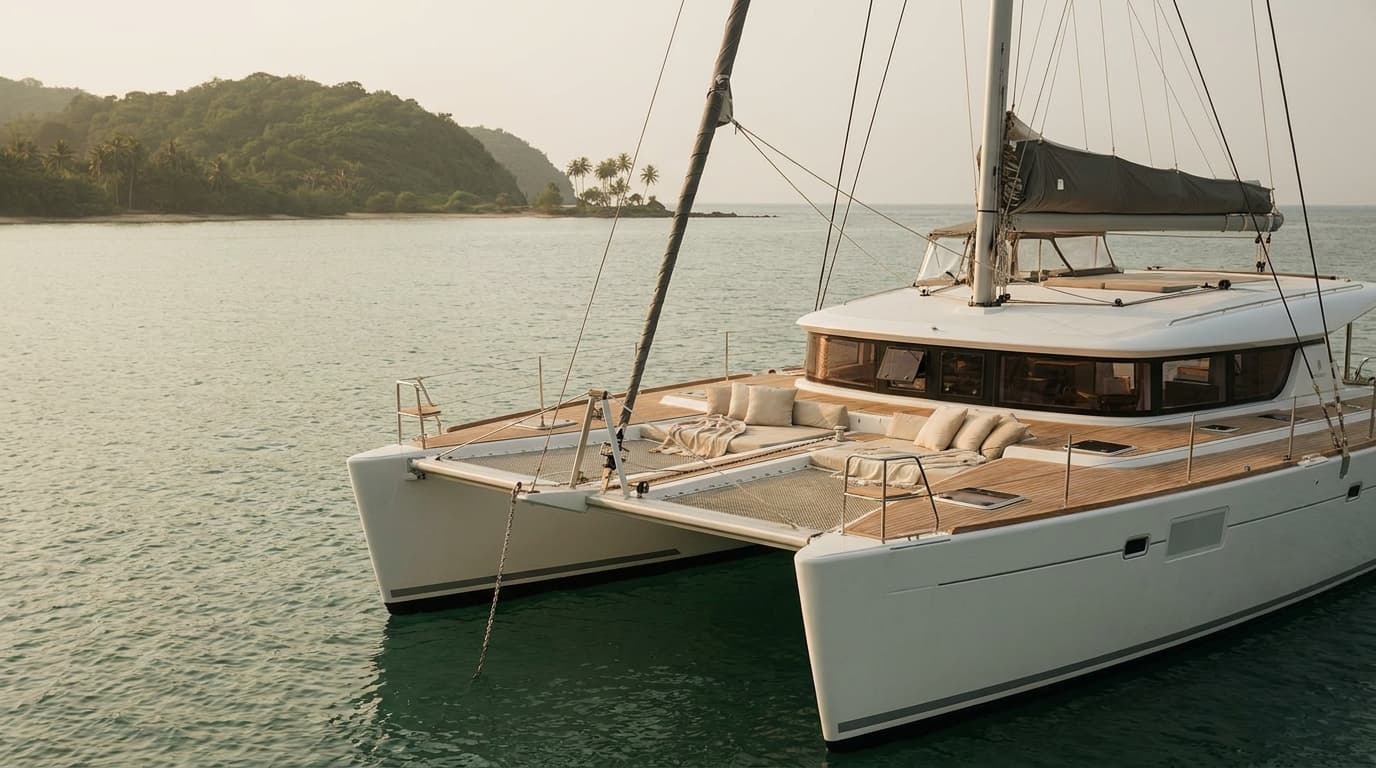
A gala dinner on Koh Samui requires coordinating venue layout, AV infrastructure, entertainment programming, and weather mitigation plans specific to tropical island conditions. Most groups book for 80-150 guests. Production budgets range from USD 150-400 per person depending on venue type and entertainment complexity.
The core operational challenge is that Samui has three production houses capable of handling multi-camera AV work and stage management for international corporate groups. Your choice determines audio quality, lighting control, and stage rigging capability. The island does not have the production depth of Bangkok or Singapore, so advance booking matters.
Venue Selection and Site Requirements
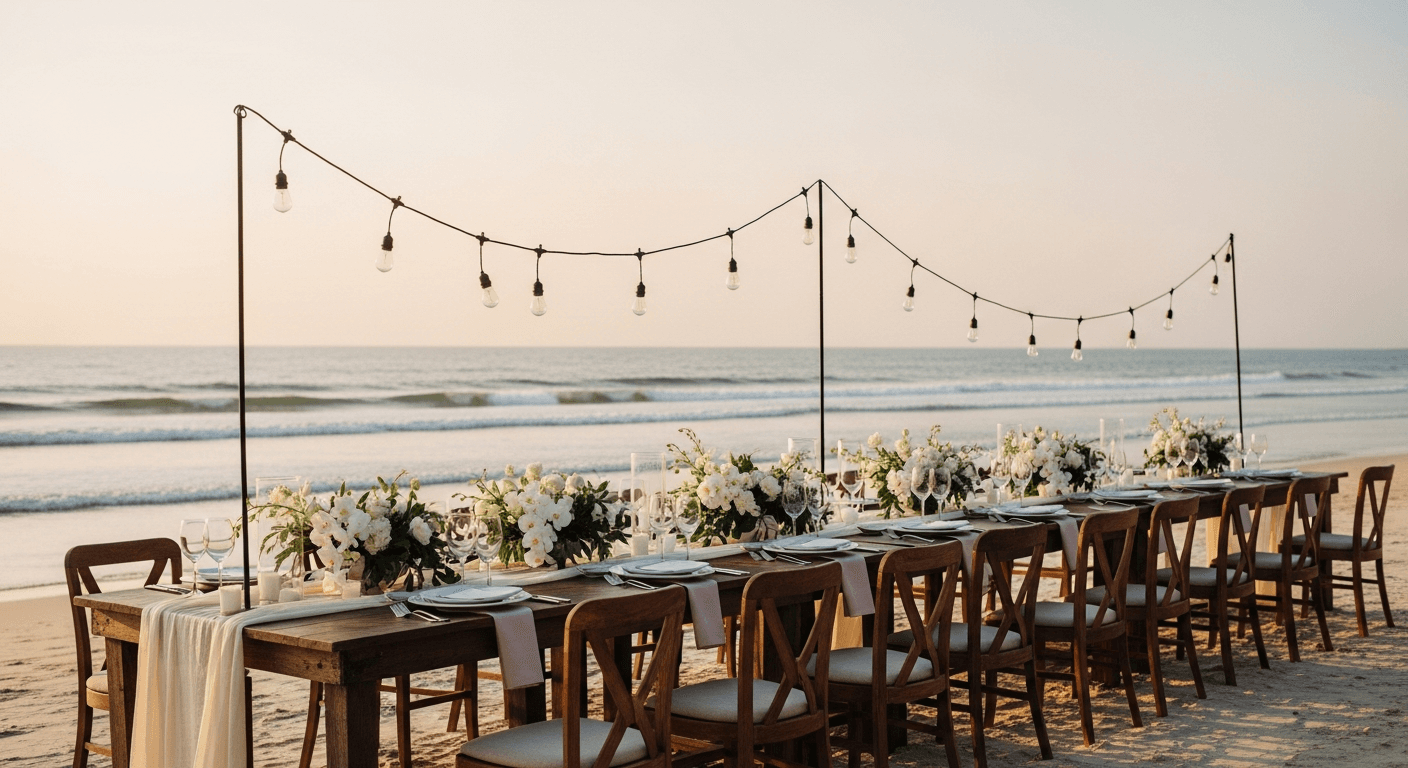
Beach venues work for groups under 120 people. Beyond that number, you need a pool deck or indoor ballroom to maintain sightlines and manage service flow. Beach setups require wooden decking or platforms—sand does not support standard banquet tables reliably, and walking in formal shoes becomes a complaint point.
Private villa pool decks offer controlled access and flexible layout. Villas with 25-meter pools can accommodate 100 guests on a single level. You gain weather protection via poolside salas and permanent pavilions. The constraint is kitchen capacity. Most villas run domestic kitchens, so you bring in a catering operation with portable hot boxes. This adds 90 minutes to setup time and requires generator staging.
Hotel ballrooms on Samui seat 150-300 guests depending on property. The four hotels with true ballroom facilities are Conrad, InterContinental, Banyan Tree, and Renaissance. These rooms include house AV, dedicated kitchen access, and loading dock logistics. You trade atmosphere control for operational simplicity. Ballrooms make sense when weather risk is unacceptable or when your program includes a 200-person plenary the same day.

AV Production House Selection
Three vendors handle international-standard gala work on Samui: Samui Event Solutions, Island AV Group, and Pantip Production. All three own LED wall inventory, wireless mic systems, and intelligent lighting rigs. Differences show up in response time, English-language project management, and whether they stock backup units on-island.
Samui Event Solutions runs the largest inventory. They handle multi-day conferences and maintain redundant projector and audio systems. Lead time is 6 weeks for a gala with custom staging. Island AV Group specializes in beach and outdoor work—they own weatherproof speaker arrays and sandbag ballast systems for wind loads. Pantip Production is the smallest operation but maintains the tightest client communication. They respond to site visit requests within 24 hours and provide CAD drawings of stage layouts.
Expect to pay USD 8,000-15,000 for full AV production for 100 guests. This covers stage build, intelligent lighting, wireless mics, a confidence monitor for speakers, and an operator for the night. If you add LED walls for live camera feeds or branded content loops, add USD 4,000-6,000 depending on screen size.
Entertainment Programming Trade-Offs
Thai cultural performances and fire shows appear on 70% of Samui gala programs. The question is execution quality and duration. A 12-minute classical Thai dance segment with live musicians works. A 30-minute medley becomes a pacing problem—guests start side conversations and servers struggle to time course delivery.
Fire shows require 8 meters of clearance and a safety briefing with venue management. Performers work on beach or pool deck perimeters, not between dining tables. Budget 15 minutes for a professional fire act. Shorter segments feel rushed. Longer runs lose impact. The two fire performance groups that work corporate events are Samui Fire Artists and Flame Collective. Both provide liability insurance documentation and coordinate with venue fire marshals.
Live bands range from Thai pop cover groups to imported jazz quartets. Local bands charge USD 1,200-2,000 for a three-hour set. Imported acts from Bangkok start at USD 5,000 plus accommodation and transport. For background music during dinner service, a jazz trio or acoustic duo maintains conversation-friendly volume. Save higher-energy acts for post-dinner when guests move to a lounge setup or bar area.
The entertainment combination that balances cultural programming without tipping into theme-park territory: a 12-minute Thai dance welcome performance during cocktail hour, live band during dinner service, and an optional fire show as the transition to after-dinner drinks. Total entertainment window is 90 minutes across a 3.5-hour event.

Table Layout and Service Flow
For 100 guests, use ten rounds of ten or twelve rounds of eight. Rounds of ten require 72-inch tables (180 cm). Rounds of eight use 66-inch tables (167 cm). The smaller configuration gives you more layout flexibility in narrow pool deck venues but increases per-head service time since waitstaff manage more tables.
Stage placement depends on whether you run a program with speakers or keep it purely social. If you have award presentations or a CEO address, position the stage on the narrow end of the dining area so all tables face forward. If the evening is purely dinner and conversation, place the stage or band setup to the side and orient tables in a more relaxed scatter.
Allow 15 square meters per round of ten including service corridors. A 100-person dinner needs roughly 150 square meters of dining space plus 40 square meters for cocktail hour staging. This excludes the stage, bar setup, and registration desk.
Service timing for Western-style plated dinners runs 25 minutes per course. A three-course menu takes 75 minutes from first plate to dessert clearing. Add 45 minutes for cocktail hour and 30 minutes for post-dinner socializing. Total event duration is 3.5 hours. If you add a program with speakers, extend by 20-30 minutes and adjust the service pace to avoid cold plates.
Weather Contingency Planning
Samui's wet season runs September through November. Even during dry months (December through August), brief squalls occur. Any outdoor gala setup needs a backup plan defined at the time of venue contract signing.
For beach venues, the standard contingency is a clear-span tent with sides that can be deployed in 15 minutes. Tent rental for 100 guests costs USD 3,000-5,000 depending on whether you need climate control. Portable AC units add USD 2,000-3,000 but become necessary if you close the tent sides during dinner service. A fully enclosed tent in 30°C ambient temperature without AC becomes uncomfortable within 45 minutes.
Pool deck venues with adjacent covered salas or pavilions offer a simpler weather pivot. You shift the dining setup under permanent cover and accept a tighter layout. This requires having both setups pre-planned with your AV team so lighting, audio, and staging can be repositioned without a full teardown.
The call point for weather decisions is six hours before guest arrival. Check wind speed and radar. Sustained winds above 25 km/h compromise candles, floral centerpieces, and acoustic performance quality. Rain probability above 40% warrants activating the indoor or covered contingency. Communicate the final call to all vendors and hotel operations by 2:00 PM for a 7:00 PM event start.
Sample Production Timeline
This timeline assumes a 7:00 PM cocktail start, 8:00 PM dinner service, and 10:30 PM event close for 100 guests at a villa pool deck venue.
| Time | Activity | Team Responsible |
|---|---|---|
| 8:00 AM | AV load-in begins, stage build starts | AV vendor, rigging crew |
| 10:00 AM | Table and chair delivery, layout setup | Rental company, event coordinator |
| 12:00 PM | Floral installation, linens placed | Decorator |
| 2:00 PM | Sound check, lighting focus | AV technician, stage manager |
| 4:00 PM | Final weather call, confirm setup plan | Event lead, venue manager |
| 5:00 PM | Kitchen setup complete, hot box staging | Catering team |
| 5:30 PM | Entertainment rehearsal, band sound check | Performers, AV operator |
| 6:15 PM | Staff briefing, service flow review | Event lead, catering manager |
| 7:00 PM | Guests arrive, cocktail hour begins | Service staff, registration desk |
| 7:15 PM | Welcome performance (Thai dance, 12 min) | Cultural performers |
| 8:00 PM | Guests seated, first course service | Service team |
| 8:10 PM | Welcome remarks (5 min) | Host, AV operator for mic |
| 8:15 PM | Main course service begins, band plays | Service team, live band |
| 9:15 PM | Dessert service | Service team |
| 9:45 PM | Fire show (15 min) | Fire performers, safety marshal |
| 10:00 PM | Bar and lounge area opens, dancing | Bar staff, DJ or band |
| 10:30 PM | Event close, guest departure begins | All staff |
| 11:00 PM | Load-out starts | AV vendor, rental company |
Adjust this timeline by 30 minutes earlier if your group runs a formal program with awards or multiple speakers. The critical path item is AV setup—delay here compresses rehearsal time and creates stress during the final two hours before guest arrival.
Halia Group produces 15-20 gala dinners per year on Koh Samui for corporate groups and incentive programs. We handle venue contracting, AV coordination, and weather contingency planning as part of standard program management. If you are scoping a gala dinner for an upcoming incentive trip, send your brief to our team. We respond with venue options and production cost estimates inside 48 hours. Reach us at our contact page.