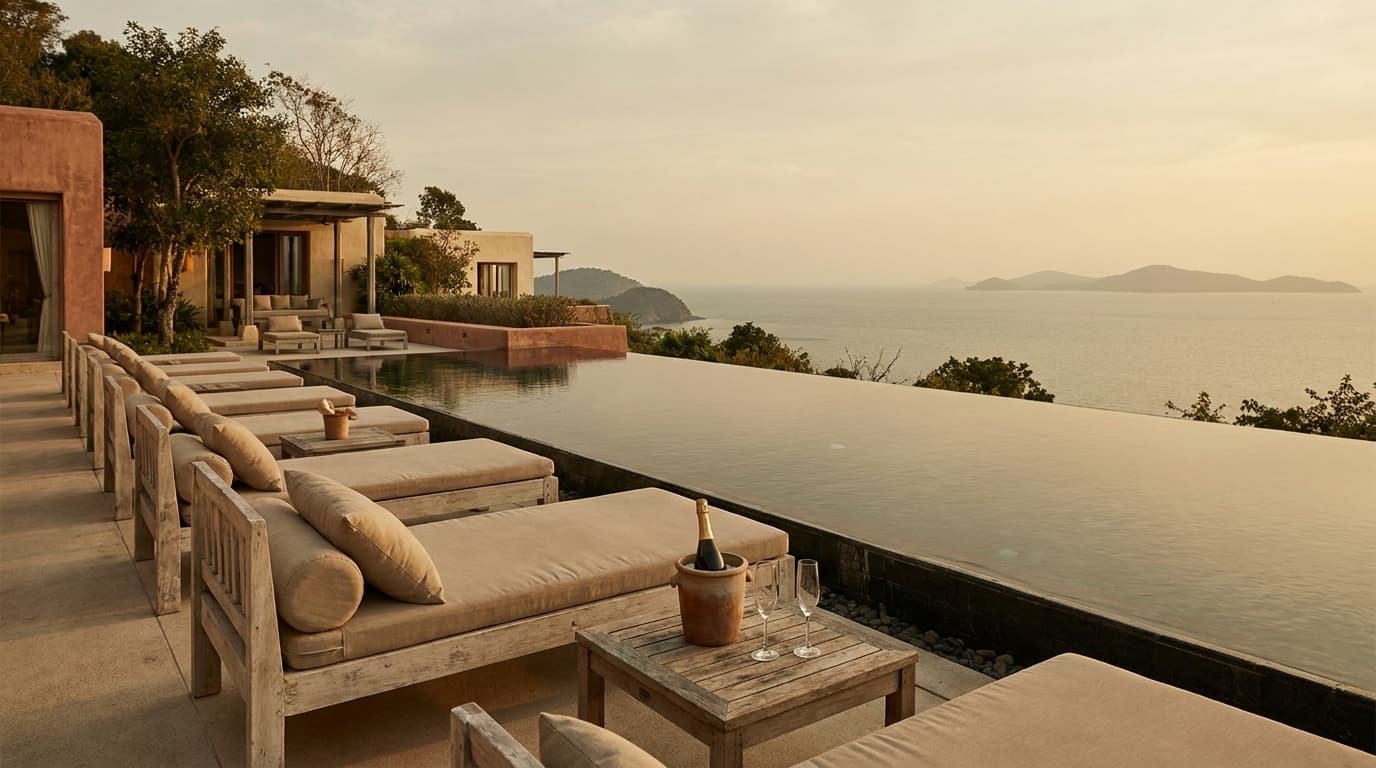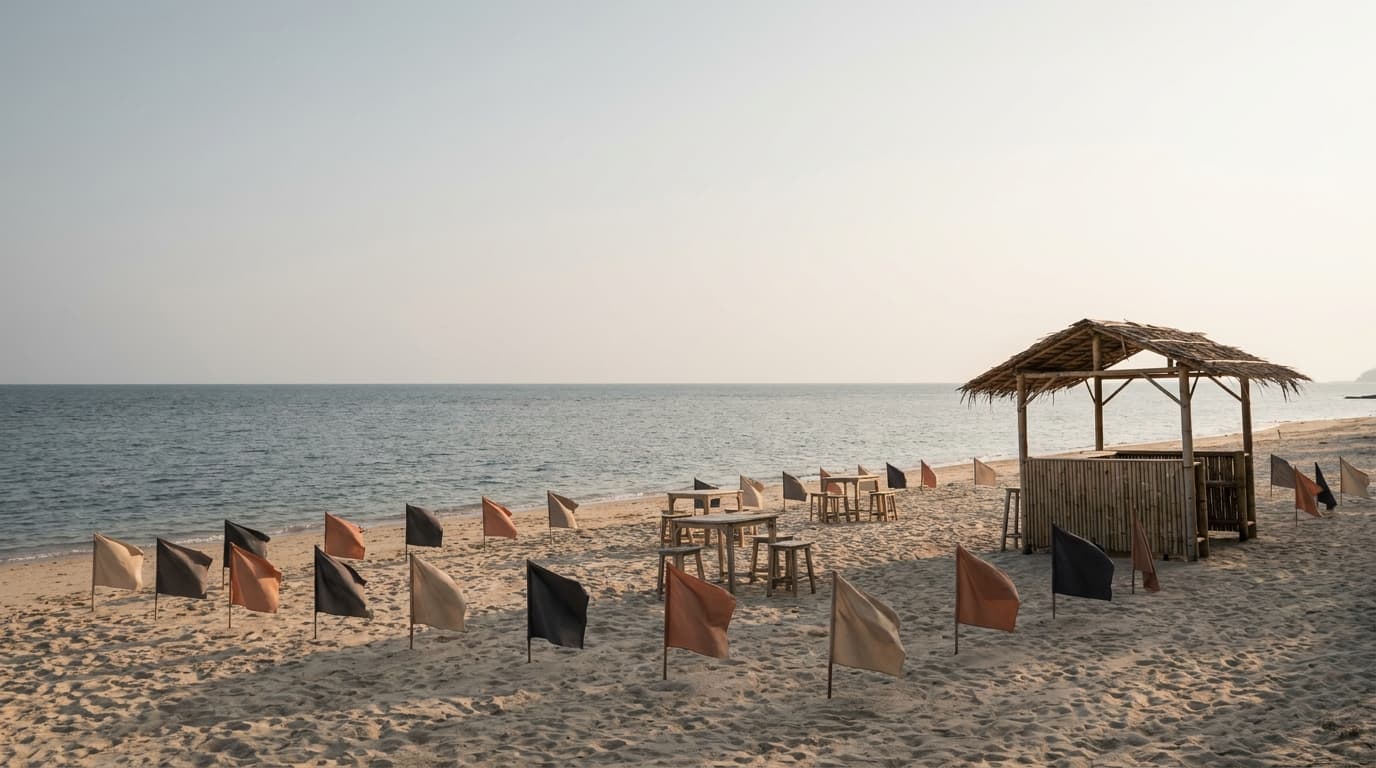
Team building for groups of 100 to 200 people requires different logistics and risk management than smaller corporate retreats. The safety advantage of single-venue containment, the facilitation ratios that keep activities flowing, and the format choices that work when participants speak six different languages all shape what we deliver on Samui.
Multinational staff trips in this size bracket now default to one beach or one resort campus rather than splitting groups across multiple sites. Headcount control matters more than variety when liability sits with HR. A single venue means one security perimeter, one medical access point, one briefing location. If someone has an allergic reaction or a twisted ankle during raft building, help usually reaches them far faster than when the group is spread across a district. Insurers often ask whether the group was at one location or several, and a single venue can make that conversation simpler if something goes wrong.
The coordination burden also drops. With 150 people split across three beaches you need three facilitator teams, three transport windows, three backup plans. With everyone on one stretch of sand you deploy staff once and adjust activity stations in real time when the wind picks up or a third of the group finishes early. The trade-off is aesthetic repetition, with the same coconut palms in every photo, but that matters less to a compliance lead than knowing exactly where everyone is at 14:00 when the CFO asks.
Formats That Scale to Three-Digit Headcounts
Beach-based rotational challenges work reliably for 100 to 180 participants. We divide the group into mixed-nationality teams of 10 to 12 people and rotate them through five stations over three hours: raft construction with bamboo and barrel floats, a blindfold navigation course, a water relay using traditional Thai fishing baskets, a sandcastle architecture brief with a judging rubric, and a coconut-husking speed round. Each station runs 30 minutes with a five-minute rotation buffer. Two to three facilitators per station means roughly a 12:1 participant-to-staff ratio across the program. Two roaming event managers troubleshoot bottlenecks and reallocate bodies when a station runs long.
Team cooking challenges scale to 120 people if you have enough wok stations and prep tables. Groups of eight work at individual cooking bays to produce one complete Thai dish (green curry, pad thai, som tam, mango sticky rice) under the supervision of a Thai chef. The format works because each bay operates independently. If one team burns their curry paste the chef can reset them without stopping the other 14 teams. The tasting and judging phase runs concurrently as a buffet setup so you don't bottleneck at service. Cost per head sits around USD 45 to USD 65 depending on the menu and whether participants take home recipe cards and branded aprons.
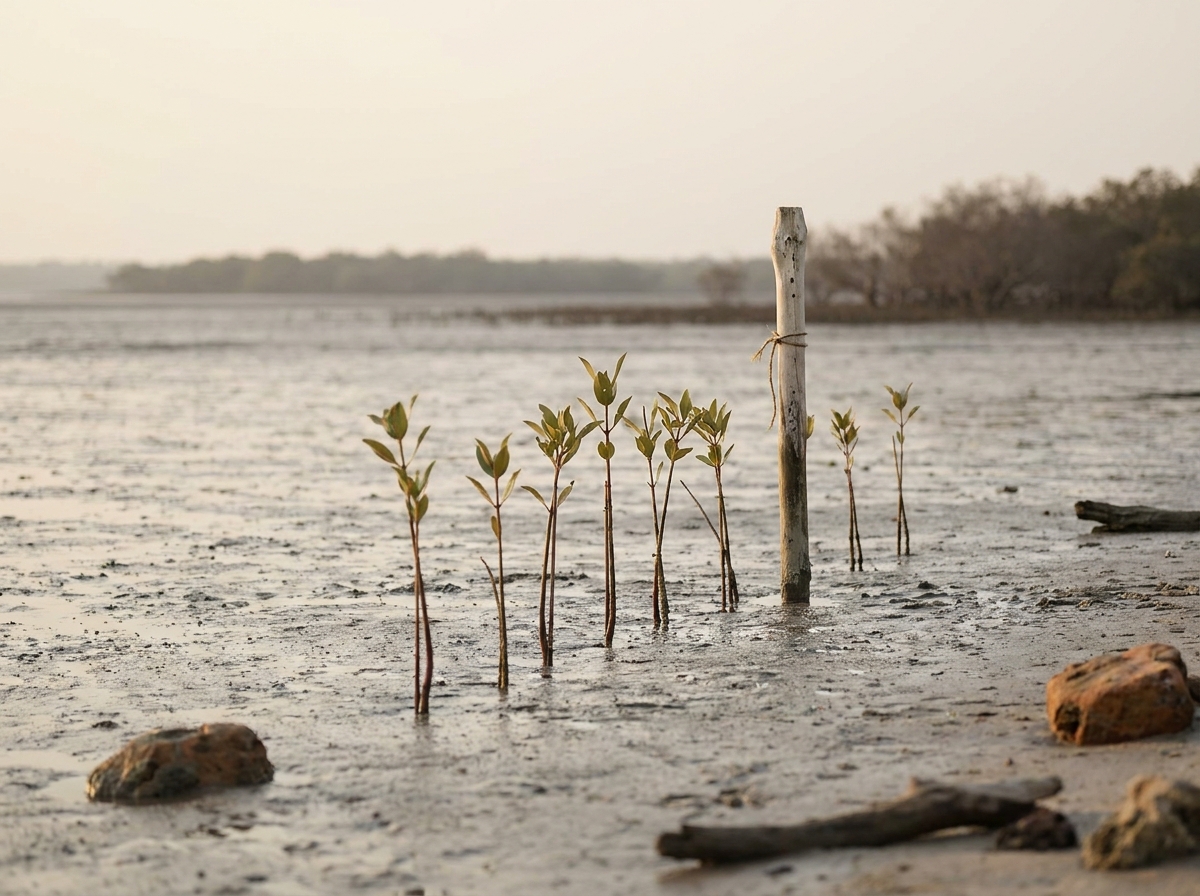
Give-back activities anchor well at this scale because the task is simple and the metric is tangible. A beach clean-up with 150 people can cover around two kilometers of coastline in 90 minutes. Teams compete on weight of collected waste and the format photographs well for internal communications. Mangrove planting works if the site can absorb the foot traffic. Many community forestry plots on Samui limit group size to protect existing root systems, so we split larger groups into morning and afternoon shifts. Budget USD 20 to USD 35 per person for mangrove programs including transport, seedlings, site fees, and a certificate from the local conservation body.
Formats that fail at 100-plus: treasure hunts or scavenger rallies across the island fragment the group and create traffic bottlenecks in Chaweng and Lamai. High-ropes courses work best at around 40 people per session because throughput depends on harness changeovers. Surf lessons rarely scale past about 60 even with multiple instructors because wave windows are finite and beginners need close supervision in the break zone. Stand-up paddleboard yoga tends to collapse above 50 participants, since board drift and varying skill levels make synchronized instruction impossible.
Facilitation Ratios and Language Barriers
Maintain a 12:1 participant-to-facilitator ratio for physical activities and an 8:1 ratio for anything involving complex instructions or safety equipment. A 150-person beach games program needs 13 facilitators plus two event managers. Budget for three language groups: English, Mandarin, and one other based on staff demographics. Facilitators work in their strongest language and participants self-sort into language pods during briefings. Visual demonstration matters more than verbal instruction when you have six nationalities on one team. Show the raft-building knot sequence three times instead of explaining it once.
Brief facilitators to watch for the quiet participants. In groups mixing junior staff from Singapore, mid-level managers from Mumbai, and senior executives from Seoul, hierarchy and language confidence shape who speaks up. Facilitated icebreakers at the start of each activity station (name, role, one word for how you feel about bamboo rafts) normalize participation before the task begins. Rotate team captains every station so leadership spreads across the group.
Catering for Mixed Dietary Requirements
When 30 to 40 percent of a group requires halal options the most reliable approach is halal-for-all catering on activity days. Certified halal kitchens on Samui can deliver buffet lunch for 150 with Thai and international options: grilled chicken satay, massaman beef curry, stir-fried vegetables, jasmine rice, fresh fruit platters, Thai iced tea. Cost runs USD 18 to USD 28 per person depending on protein choices and whether you include dessert. Halal certification typically covers ingredient sourcing and kitchen separation, which removes the labeling errors and cross-contamination risks that come with dual-track catering.
Vegetarian and vegan participants eat from the same buffet. Most Thai vegetable and tofu dishes are naturally plant-based once you substitute soy sauce for fish sauce. Flag severe allergies in advance. Peanut and shellfish restrictions require separate prep protocols that halal caterers can manage but usually need around 72 hours notice. Hydration matters more than food volume when groups are outside for three hours in 32-degree heat. Budget two liters of water per person plus electrolyte drinks and shaded rest stations every 50 meters along the activity zone.
Wet-Weather Contingency
Samui's October-to-December monsoon window brings afternoon downpours that typically last 45 to 90 minutes. A full wet-weather pivot requires an indoor venue with 200 square meters of usable space and power access for AV equipment. We shift to a facilitated problem-solving workshop format: mixed teams work through a business case simulation, present solutions, and vote on the winning proposal. The format preserves the team-mixing and competitive dynamics of the outdoor program without requiring sunshine.
Partial rain plans cost less than full indoor backups. Retractable canopies over activity stations let you run the program through light rain. If the downpour hits during the midpoint break you extend lunch from 60 to 90 minutes and restart once the cell passes. Samui's monsoon rain comes in discrete cells that are often visible on radar shortly before they arrive, so we brief facilitators on pause-and-resume protocols. The financial implication: a full indoor backup venue adds USD 3,000 to USD 6,000 to program cost. Canopy rentals and extended lunch run USD 800 to USD 1,500.
Branded Kit and Photography Add-Ons
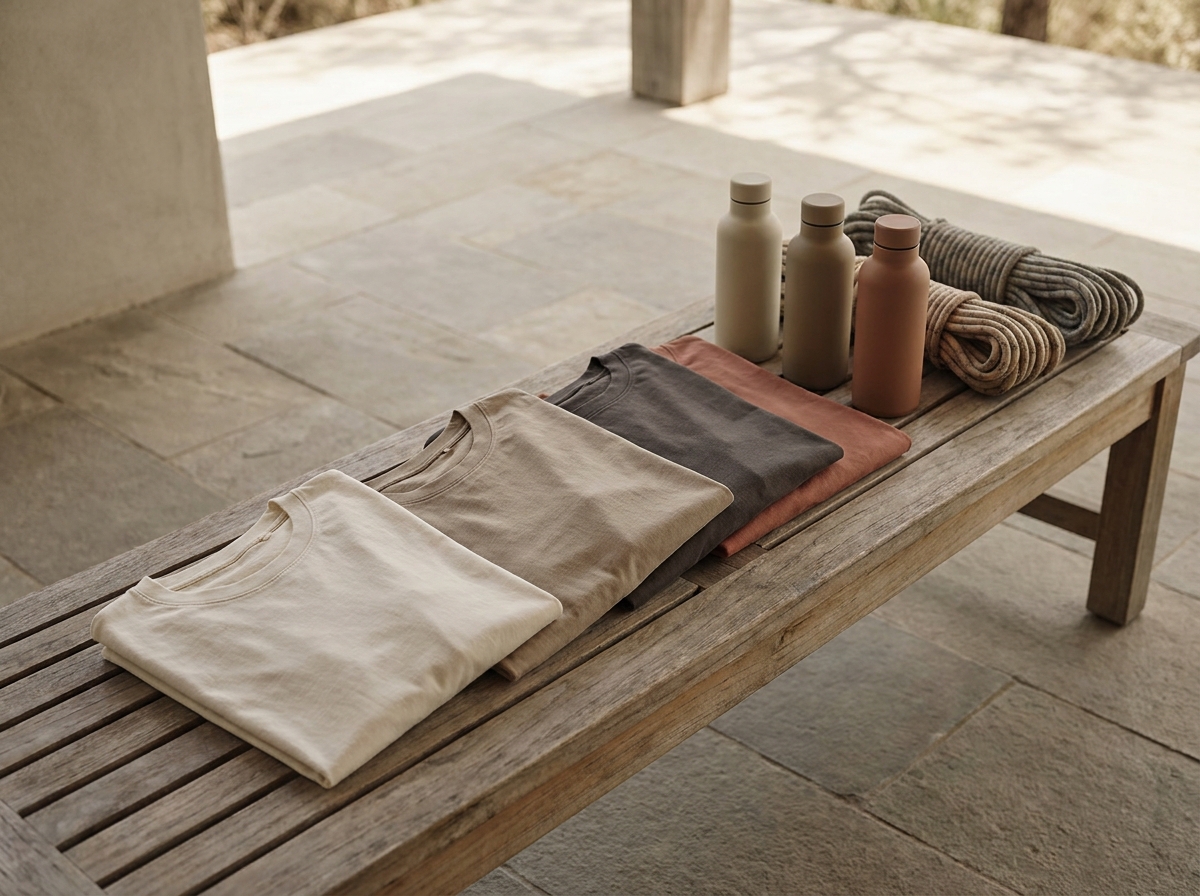
Branded team kits (matching t-shirts, caps, reusable water bottles with the company logo) drive internal engagement and photograph better than groups in mismatched casual wear. Local screen printers on Samui can usually deliver 150 custom t-shirts in around three business days if you provide vector artwork and exact color codes. Budget USD 8 to USD 12 per person for mid-weight cotton shirts with two-color front printing. Caps add USD 5 to USD 7 each. Reusable steel water bottles run USD 6 to USD 9 with single-color logo printing. Order 10 percent over headcount to cover sizing errors and late additions.
Photography coverage for 150 people across a three-hour program requires two shooters to capture all activity stations and candid moments. We deliver 400 to 600 edited images within five business days, with a same-day social media preview set of 40 to 50 images for internal comms teams. Budget USD 1,200 to USD 1,800 for two photographers and post-production. Drone footage adds USD 400 to USD 600 if the beach location permits UAV operations under Thai aviation regulations. Group drone shots work best at the program kickoff when everyone is gathered for the opening brief. Once teams disperse to stations the overhead framing loses impact.
Format Comparison
| Format | Group Size | Duration | Single Venue | Cost Per Person (USD) |
|---|---|---|---|---|
| Beach rotational challenges | 100 to 180 | 3 hours | Yes | 55 to 85 |
| Team cooking challenge | 60 to 120 | 2.5 hours | Yes | 45 to 65 |
| Beach clean-up | 100 to 200 | 1.5 hours | Yes | 20 to 30 |
| Mangrove planting | 40 to 80 per shift | 2 hours | Yes | 20 to 35 |
| Raft building + race | 60 to 100 | 2 hours | Yes | 40 to 60 |
| Indoor problem-solving workshop | 80 to 150 | 2.5 hours | Yes | 35 to 50 |
Programs bundle multiple formats across a half-day or full-day structure. A common configuration for 120 people: beach challenges from 09:00 to 12:00, halal buffet lunch, mangrove planting from 14:00 to 16:00, group photo and debrief. All-in cost runs USD 120 to USD 160 per person including facilitation, catering, transport from hotel to beach, branded t-shirts, and photography. Add USD 15 to USD 25 per person for wet-weather contingency planning and equipment insurance.
Halia works with corporate teams to build programs that match group size, risk tolerance, and internal objectives. We respond to briefs with venue options and facilitation plans inside 48 hours. If you are scoping a large-group program on Samui, send us your headcount range, preferred dates, and any dietary or access requirements at /contact.