A President's Club trip is a reward program for a company's top-performing salespeople, usually the top 5 to 10 percent of the team by quota attainment or revenue, and often their partners. The trip recognizes a full year of results. It works when it feels earned, private and hard to replicate on a personal budget.
This guide covers who qualifies, the program shape that works, how to build exclusivity, the planning timeline, budget estimates and why an island like Koh Samui suits teams flying from Asia-Pacific and Europe. For the broader category, see our overview of corporate incentive trips for employees.
Who qualifies and how big the group gets
Most President's Clubs are built from a ranked list. The cutoff is a percentage of the sales team, a fixed number of seats, or a quota threshold. Many companies also include a few leaders and a small number of top customer success or sales engineering contributors.
Partners usually travel with qualifiers. That doubles the headcount and changes the program. A group of 20 qualifiers with 20 partners is 40 guests, and every activity, table and transfer needs to work for both groups. Plan for adults with different energy levels and interests.
Group size matters for exclusivity. The sweet spot for a boutique program is 20 to 60 guests. Above that, private venues get harder to secure and the personal touches become expensive to deliver.
The program shape that works
A President's Club program has five beats: an arrival dinner, one big shared day, an awards night, free time and a closing moment. Everything else is optional. Teams that overfill the schedule lose the point of the trip, which is rest and recognition.

Here is a sample four-night program for 40 guests.
| Day | Daytime | Evening |
|---|---|---|
| Day 1 | Arrivals and private transfers, check-in, open afternoon | Arrival dinner at a private beachfront venue, short welcome from the CEO or head of sales |
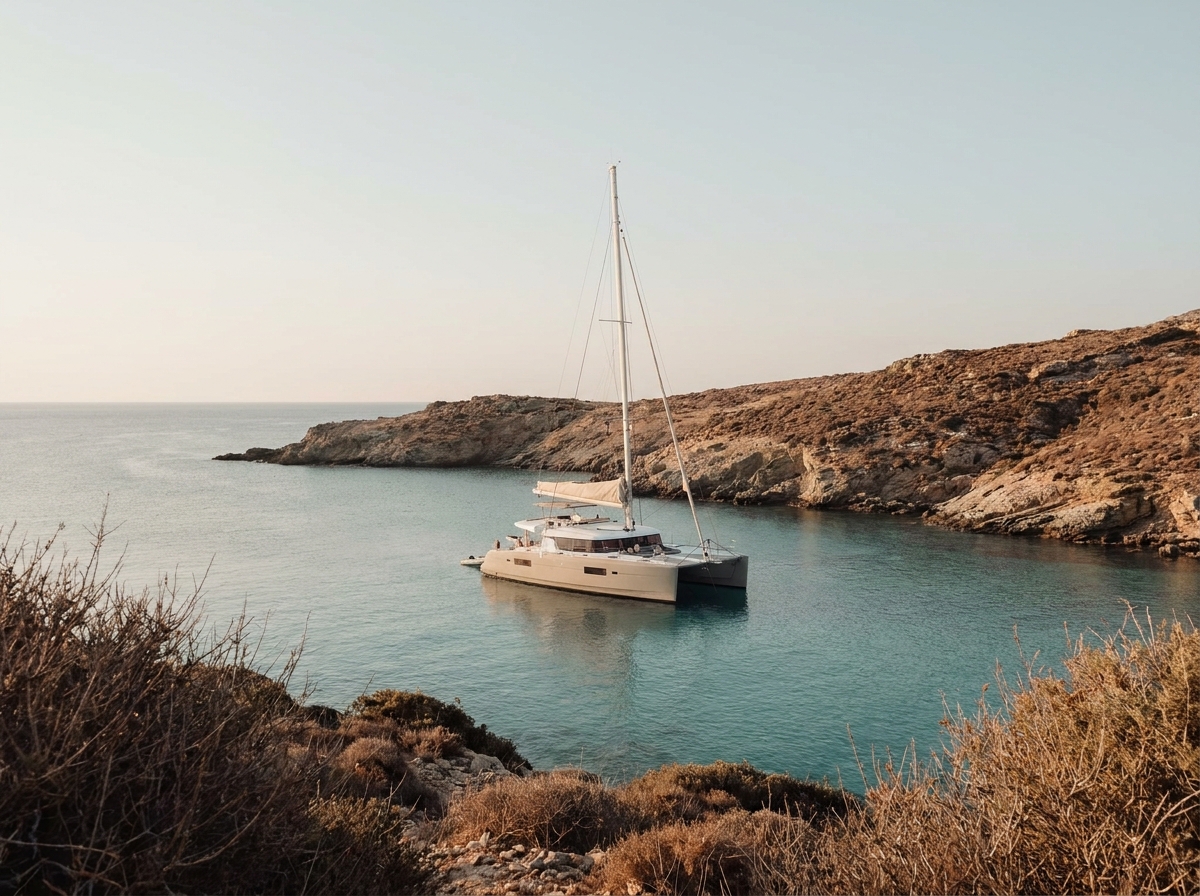
| Day 2 | The big shared day: private catamaran charter with a swim stop and lunch on board | Relaxed dinner, no speeches, open bar on the sand |
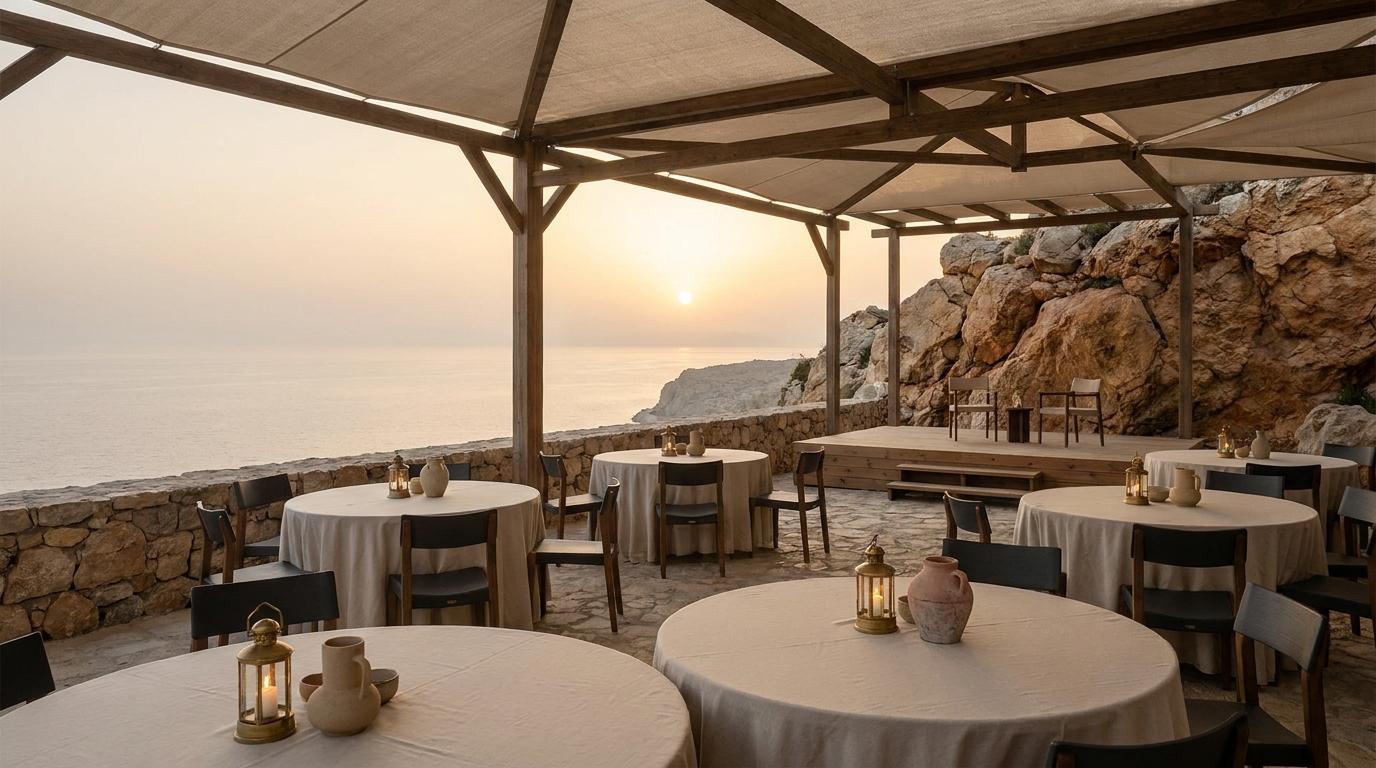
| Day 3 | Free morning, optional spa or golf, a light afternoon activity | Awards night: staged dinner, individual recognition, live music |
| Day 4 | Free day with three optional experiences (cooking class, island drive, wellness session) | Closing dinner at a different venue, personal gifts, a final toast |
| Day 5 | Breakfast and departures | None |
Each beat has a job. The arrival dinner sets the tone and gets everyone in one room. The shared day creates a story the group tells for years. The awards night is the formal recognition. Free time keeps the trip from feeling like work. The closing moment gives the trip an ending.
For the shared day, catamaran charters for incentive groups on Koh Samui are one option. A marine park day is another. Whichever you pick, keep it to one anchor activity so the day has room to breathe.
Making it feel exclusive
Exclusivity comes from three things: the destination, the access and the details.
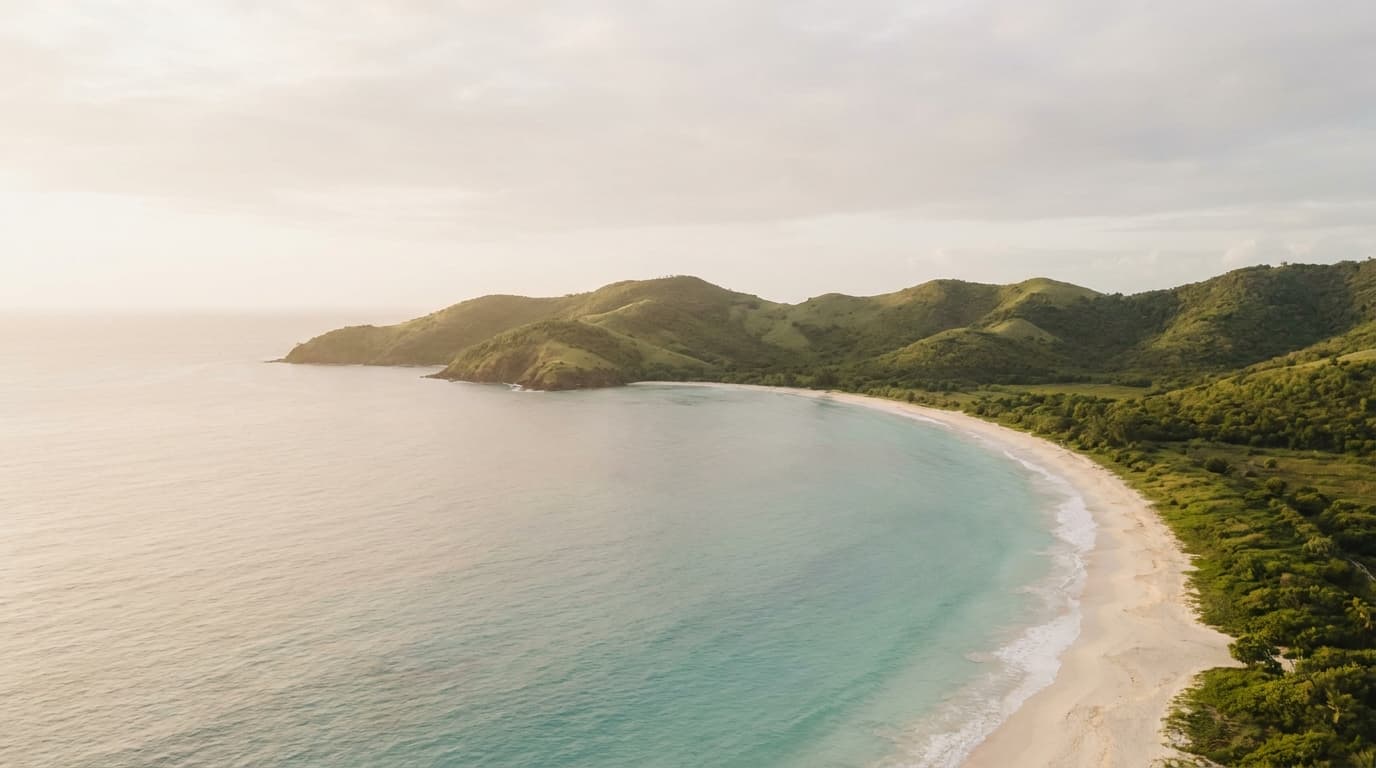
Destination. Choose a place most qualifiers would not book on their own. That usually means somewhere with a long flight, a strong sense of place and enough infrastructure to run a seamless trip. A repeat of last year's destination weakens the reward.
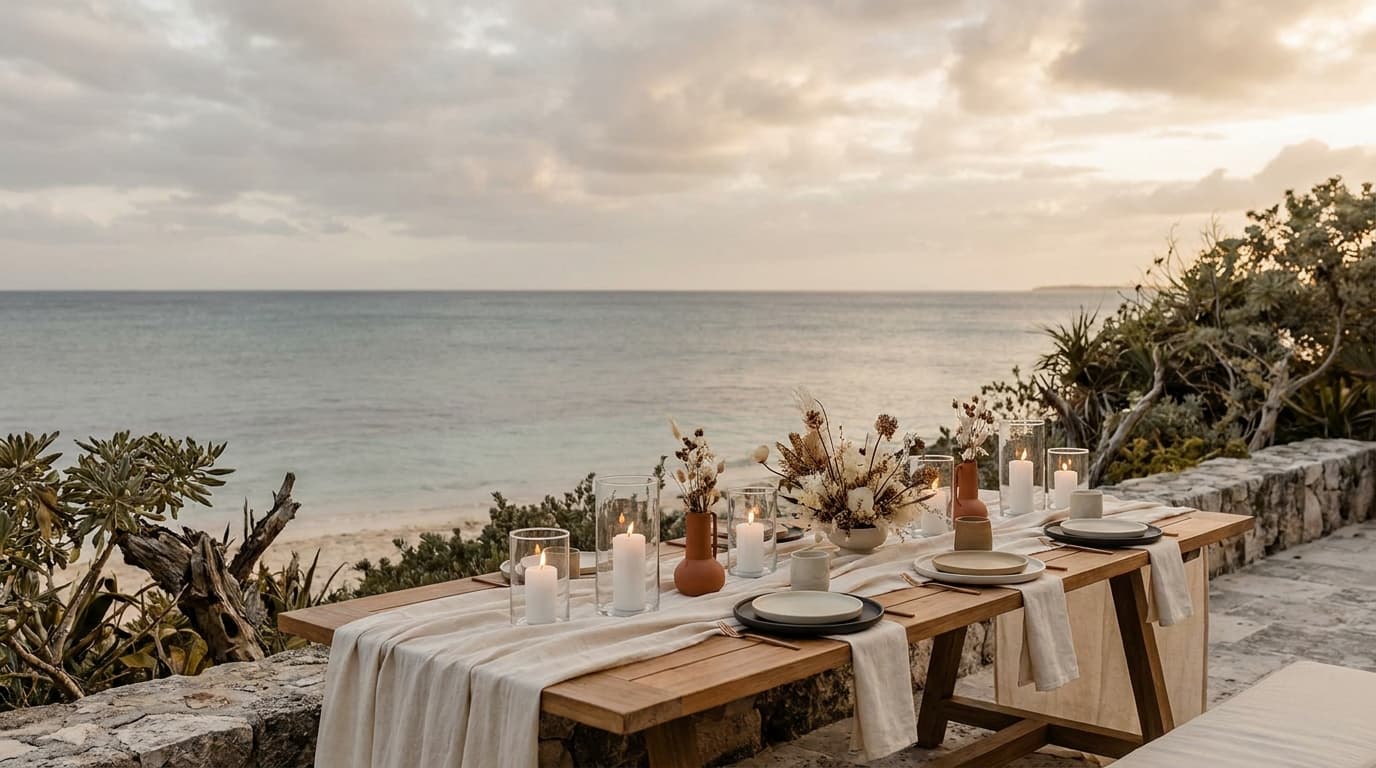
Access. Private venues do more than any upgrade. A dinner on a closed beach, a chartered boat, a villa kitchen with a private chef, a temple visit arranged outside public hours. Guests notice when a place is theirs for the evening. A well-produced awards night also depends on the stage, sound and lighting. Our notes on gala dinner production on Koh Samui cover what to ask for.
Details. Personal touches cost little and land hard. Handwritten notes from the CEO, a gift chosen using what the qualifier mentioned in a pre-trip survey, welcome amenities that reflect dietary needs and preferences, a short film of the year's highlights. Collect dietary, mobility and partner details at registration so nothing is improvised on site.
Planning timeline from qualification to travel
Start planning before qualification closes. The destination announcement is part of the motivation, and a known destination helps keep the sales team motivated.
| Timing | Milestone |
|---|---|
| 10 to 12 months before travel | Confirm budget, qualifying criteria and destination shortlist. Brief a DMC. |
| 8 to 10 months | Announce the destination to the sales team. Secure the hotel and key venues. |
| 6 to 8 months | Lock the program shape, the shared day and the awards night concept. |
| 4 to 6 months | Qualification closes. Confirm names and partners. Open registration. |
| 3 months | Flights ticketed or booked, dietary and travel documents collected. |
| 6 to 8 weeks | Final headcount, run of show, gift production, supplier contracts finalized. |
| 1 to 2 weeks | Final rooming, transfer manifests and a weather plan. |
Two points on timing. Hotels with strong inventory and private venues book early in the dry season, so a late start narrows the options. And qualification often ends late in the fiscal year, which pushes final names close to travel. Contract with a flexible headcount band, for example 36 to 44 guests, so a last-minute change does not trigger penalties. Read cancellation clauses in Thai supplier contracts before you sign.
Budget per person
Plan on USD 4,000 to 8,000 per person for a four-night program on the ground, with flights excluded. That range covers accommodation at a five-star resort or private villas, all meals and beverages, private transfers, the shared day, the awards night production and gifts.
For 40 guests, that puts the ground program at roughly USD 160K to 320K. Flights add to the total, and long-haul business class from Europe can be a large share of the overall spend.
What moves the number:
- Accommodation tier. Villas and top-category resort suites sit at the high end.
- Awards night production. A simple staged dinner and a custom-built set are far apart in cost.
- Group size. Fixed costs such as sound, lighting and charters spread across fewer guests at small group sizes, which raises the per-person figure.
- Season. Peak dates in the dry season cost more than shoulder weeks.
Ask for line-item quotes. Our post on hidden costs in Thailand DMC quotes lists what to check for.
Why an island resort works, and when
An island resort gives you contained logistics, private venues and a sense of distance from the office. Guests step off the plane and into a single, controlled environment. Transfers are short, and the entire group can eat, celebrate and relax within a few minutes of each other.
Koh Samui is reachable for Asia-Pacific teams on short and mid-haul flights, often through Bangkok. European teams usually connect through Bangkok or a Gulf hub, and the total journey is long but manageable with an arrival day built in. See Bangkok gateway vs direct to Samui and Samui airlift routes and flight planning for routing detail.
The operating window runs from January to September. October to December is the rainy season. Rain raises the risk for boat days and outdoor awards venues, and every outdoor element needs a backup plan. If your qualification calendar points you to Q4 travel, read Koh Samui in October and November for groups and weather and monsoon buffers in Thai program design before you commit.
One constraint to be clear about: Samui has limited airlift and a smaller pool of large venues than Phuket or Bangkok. For groups above 100, that matters. For a President's Club of 20 to 60 guests, it is rarely a problem.
Next step
If you are scoping a President's Club trip, send us your qualifier count, partner policy, target dates and budget range. Halia replies to briefs with a program outline and a cost range. Start with the contact page.