A corporate incentive trip is a reward travel program that a company funds for employees who hit defined targets, usually top sales, channel or performance results. It works as a motivator only if the destination, the qualification rules and the recognition moments feel earned. This guide covers the decisions a first-time planner has to make: format, criteria, budget, destination and compliance.
For the wider definition and how programs are structured, read what incentive travel is and how it works. This article focuses on the practical choices behind a trip for employees.
What makes an incentive trip motivating
Three things drive motivation: exclusivity, a destination people would not book themselves, and visible recognition. Luxury alone does not do it. A trip that half the company attends feels like a company offsite.
Exclusivity. Qualify the top 10 to 20 percent of a sales team. People work harder for a trip that most colleagues will not make. Keep the group small enough that everyone knows why they are there.
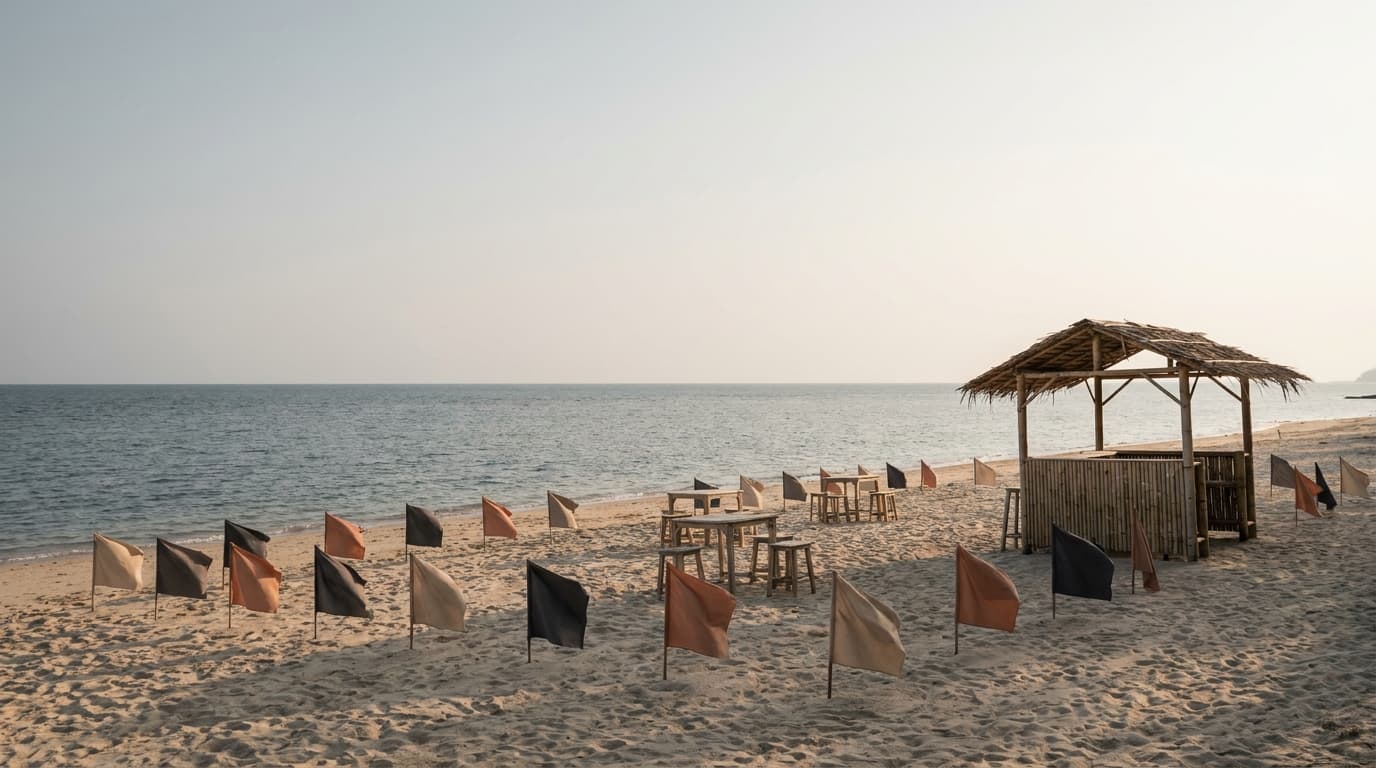
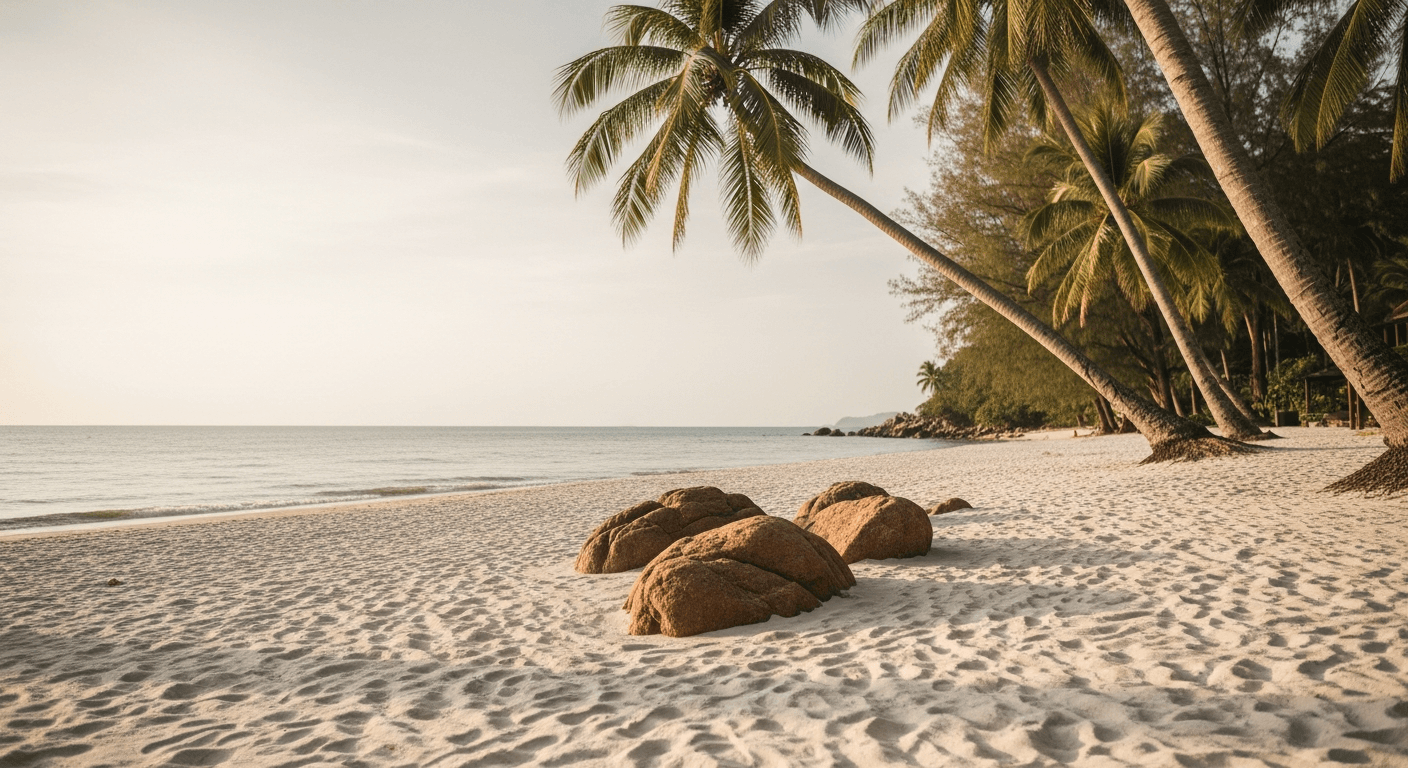
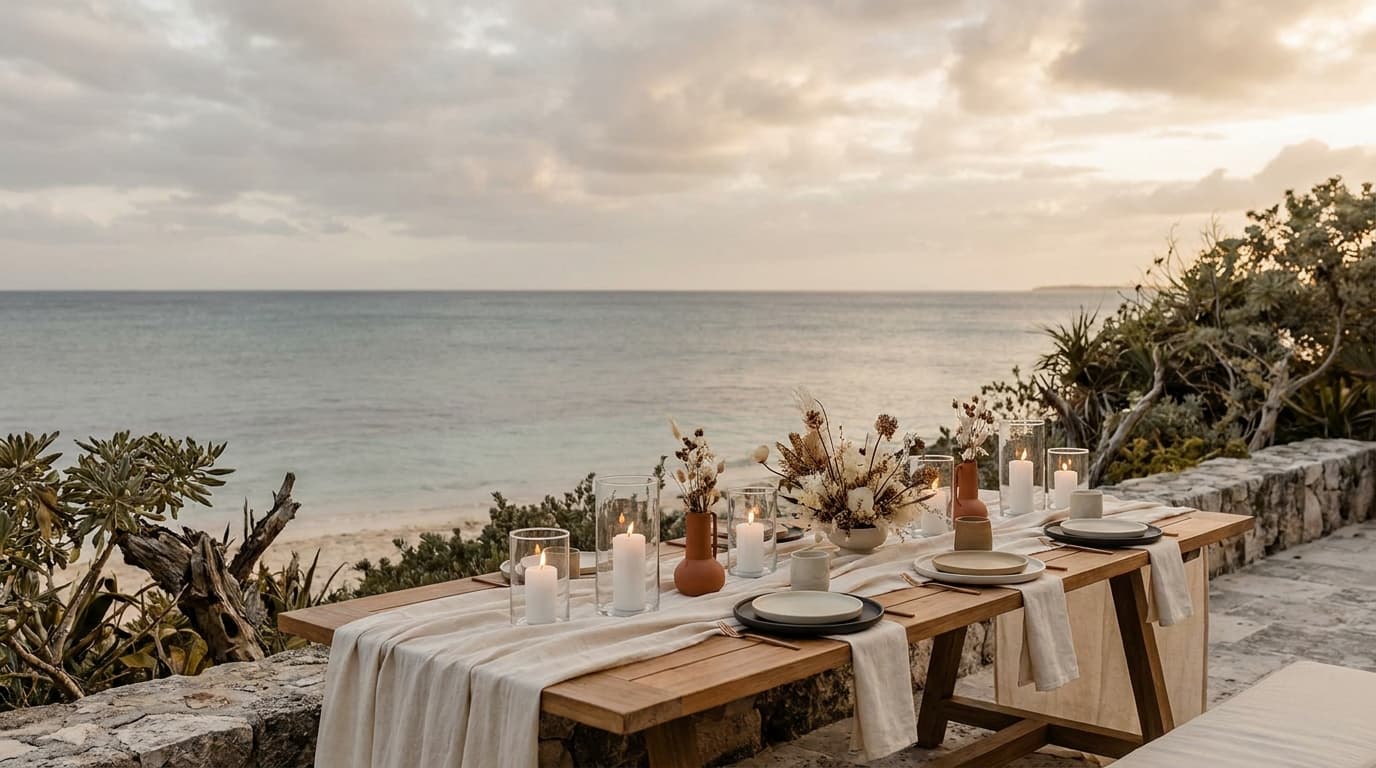
A destination worth the effort. The strongest destinations are ones employees would price up and talk themselves out of. A private villa dinner or a chartered boat day on an island is hard to buy as an individual. That gap between what people could book and what the company provides is the reward.
Recognition moments. Build in two or three points where achievement is named. A gala dinner with awards, a leadership toast on a beach, a handwritten note from the CEO in each room. These cost little and are what people remember. We cover production options in gala dinner production on Koh Samui.
Partners, invited or not. Inviting partners raises the perceived value and often the emotional return, because the person who covered the home front during a hard sales year gets thanked too. It also raises cost substantially per qualifier, and it changes the program. Plan more free time, fewer early starts, and activities that suit mixed groups. If budget forces a choice, run an employee-only trip and say so clearly in the announcement.
Common formats
Most reward trips run 3 to 5 nights for 20 to 150 people. The structure that works is a few shared highlights with generous free time between them. Over-scheduled incentive trips feel like work.
| Format | Group size | Length | What it rewards |
|---|---|---|---|
| Top performer circle | 20 to 40 | 3 to 4 nights | Individual results, highest exclusivity |
| Team target trip | 50 to 100 | 4 nights | Team or regional goals met |
| Company-wide milestone | 100 to 150 | 4 to 5 nights | A company result, such as a record year |
| Employee plus partner trip | 40 to 120 (including partners) | 4 to 5 nights | Sustained performance, with family recognized |
A typical four-night shape has an arrival evening with a welcome dinner, one full shared day (a boat charter or a cultural program), one open day, and a closing awards dinner. Shared time is roughly one third of waking hours. The rest belongs to participants. See catamaran charters for incentive groups and wellness programming for options that fit the open days.
Set qualification criteria and announce early
Announce the trip at the start of the performance period. A reward that people can see for 9 to 12 months changes behavior. A surprise reward only says thank you.
Criteria that hold up:
- Use measurable targets. Revenue, new accounts, retention or margin. Avoid manager discretion, which creates disputes.
- Publish the rules in writing. Include the measurement period, the threshold and how ties or partial results are handled.
- Choose one model: a set number of places or a threshold. A fixed headcount creates competition. A threshold creates collaboration. Pick one and state it.
- Plan for the unexpected. Decide before launch what happens if someone qualifies and then leaves the company, or cannot travel for medical or family reasons.
- Show the destination early. Photos, a short video and a landing page keep the goal concrete through the year.
Qualifier counts are uncertain until the period ends, so contract the hotel with a flexible room block. An attrition allowance of around 10 to 15 percent is a common starting point. Our note on cancellation clauses in Thai supplier contracts explains how this is typically negotiated.
Budget ranges for long-haul trips
For a five-star, four-night program on Koh Samui, plan on USD 2,600 to 4,900 per person for ground costs, plus flights. These are planning estimates. The final number depends on group size, hotel category, season and how much is private versus shared.
| Component | Estimate per person |
|---|---|
| Five-star accommodation, 4 nights | USD 1,200 to 2,200 |
| Meals, including one gala dinner | USD 500 to 900 |
| Activities and excursions | USD 400 to 800 |
| Transfers, production, staffing, DMC fee | USD 500 to 1,000 |
| Ground total | USD 2,600 to 4,900 |
| Flights from Australia or Europe | USD 1,200 to 5,000, depending on origin and cabin |
A group of 60 qualifiers at a ground cost of USD 3,500 each comes to USD 210,000 before flights. Adding partners raises that figure further. Be wary of quotes that look far below this range. We list the usual gaps in hidden costs in Thailand DMC quotes.
Why Southeast Asia and Koh Samui work for Australian and European companies
Samui suits Australian and European groups because the journey is manageable and the destination is unfamiliar enough to feel like a reward. Samui airport takes direct flights from Bangkok and Singapore, and both cities have long-haul connections from Sydney, Melbourne, Perth and major European hubs. Total travel time from Australia is usually 9 to 12 hours including a connection. From Europe, plan on 14 to 18 hours.
Time zones help too. Thailand is 3 to 4 hours behind Sydney and Melbourne for much of the year, so jet lag is mild for Australians. Europeans need a recovery evening built into day one. Our guides to Samui airlift routes and Bangkok gateway versus direct to Samui go through arrival options for larger groups.
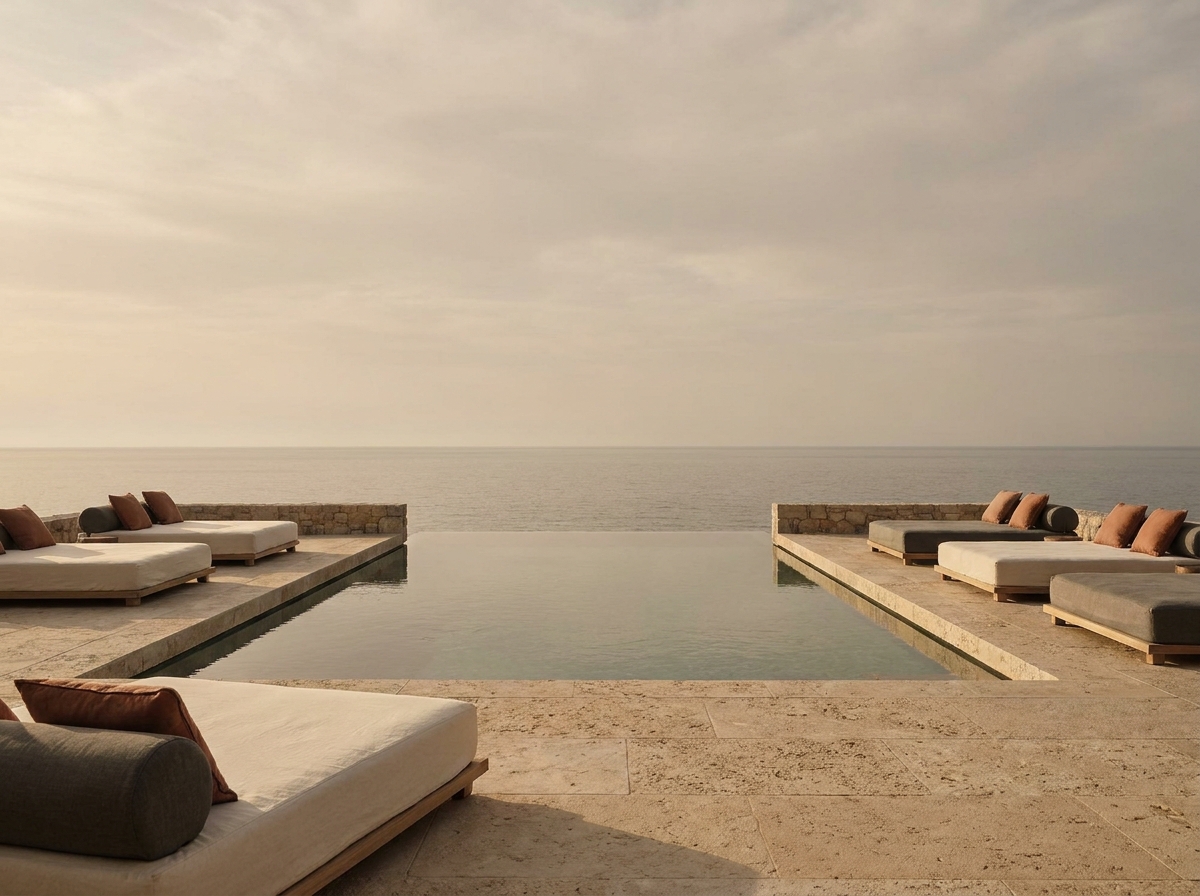
Season. The best window runs January to September. Seas are workable, hotels are fully operational and outdoor programming is reliable. Avoid the October to December rainy season for a reward trip. Rain is more likely, boat days become uncertain and a reward should not depend on a weather backup. If your dates cannot move, read Koh Samui in October and November and weather and monsoon buffers before committing. For month-level detail, see the incentive travel season guide.
Hotel choice shapes the experience as much as the destination. Our partner properties are covered in five-star hotels for incentive groups.
Tax and compliance questions to check at home
Treatment of reward trips varies by country, so confirm the rules with your own accountant or tax advisor before you announce anything. We do not give tax advice. These are the questions to bring to that conversation:
- Is the trip treated as a taxable benefit for the employee, and if so, is the company expected to cover that cost?
- In Australia, how do fringe benefits rules apply to the trip, and does the answer change when partners attend?
- In the US, how is the value reported for employees, and do different rules apply to non-employee partners or contractors?
- In European countries, are there per-person limits on gifts or benefits, and are the rules different for sales staff versus other roles?
- How is the cost of non-qualifying guests, such as managers or hosts, treated?
- Do your sales or incentive plan documents need to be updated so the trip rules are contractually clear?
Also confirm entry requirements for each nationality in the group shortly before travel, since visa rules change. Passport validity is the most common last-minute problem.
Next step
If you are planning a first reward trip, a short brief is enough to start: group size, qualification date, rough budget per person and preferred travel window. Our incentive travel program overview shows how we structure these trips. Halia responds to briefs promptly, and you can send yours through the contact page.